


One of the most underrated superpowers of electric bikes is the ability of many models to carry more than one person. Add a passenger kit and suddenly an e-bike stops being a solo commuter and starts acting like a genuine car replacement, passengers and cargo included.
It’s the same reason two-up scooters and motorcycles (those with a second passenger seat and foot rests) punch above their weight: two people, one vehicle, minimal footprint.
But on an e-bike, you get to avoid the hassle that comes with motorcycles and scooters, including issues like registration, licensing, parking, and more.
We’re seeing this play out on purpose-built passenger-capable e-bikes all over the place, with models like Lectric eBikes’ XP4 and XPedition 2.0, old-school utility bike designs like the Rad Power Bikes RadRunner RIP), renewed models like the Juiced Scrambler, cargo-focused models like the Tern GSD and HSD, and countless others.
And if several years’ worth of trends are any indication, it’s only going to continue.
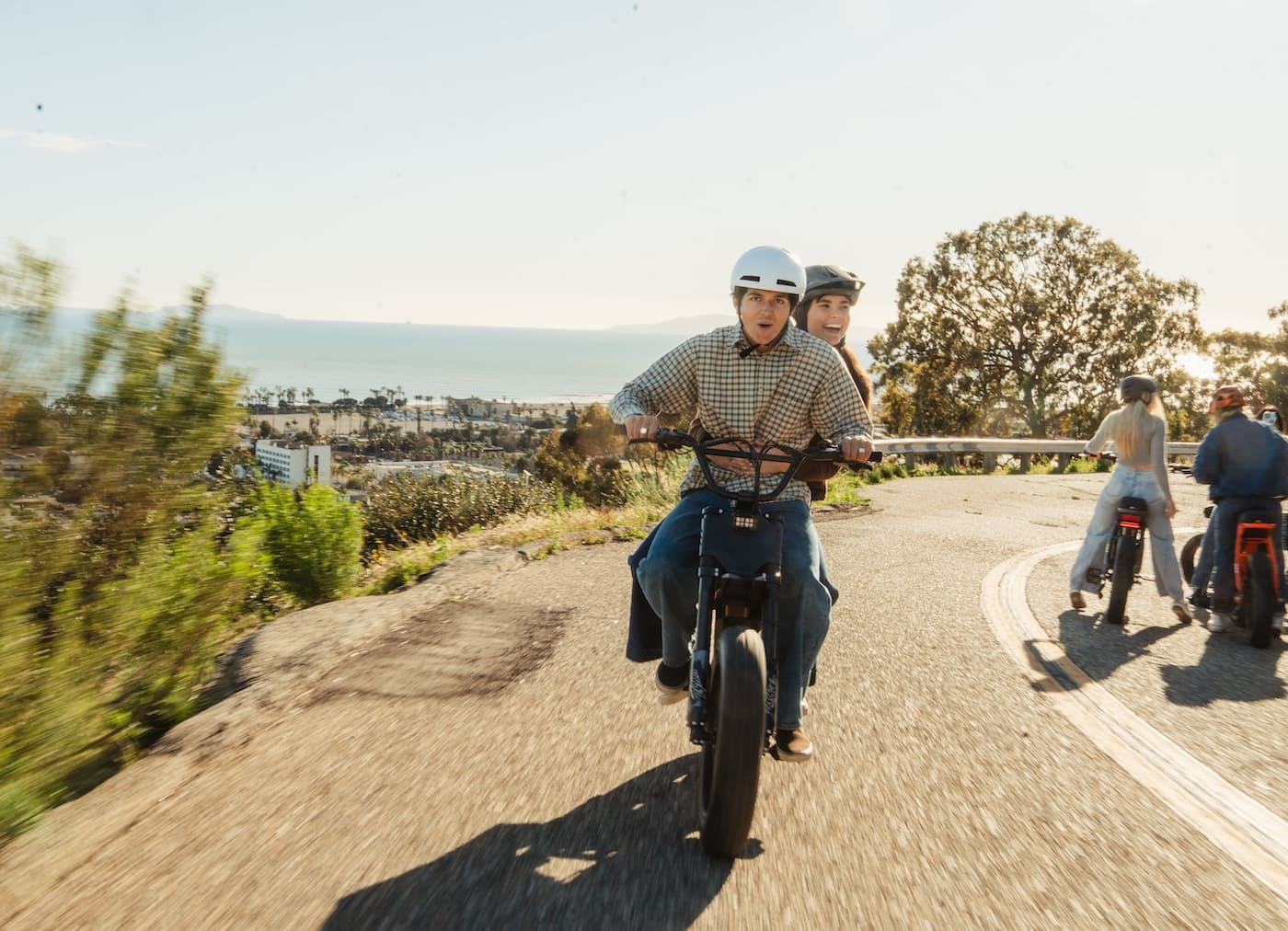
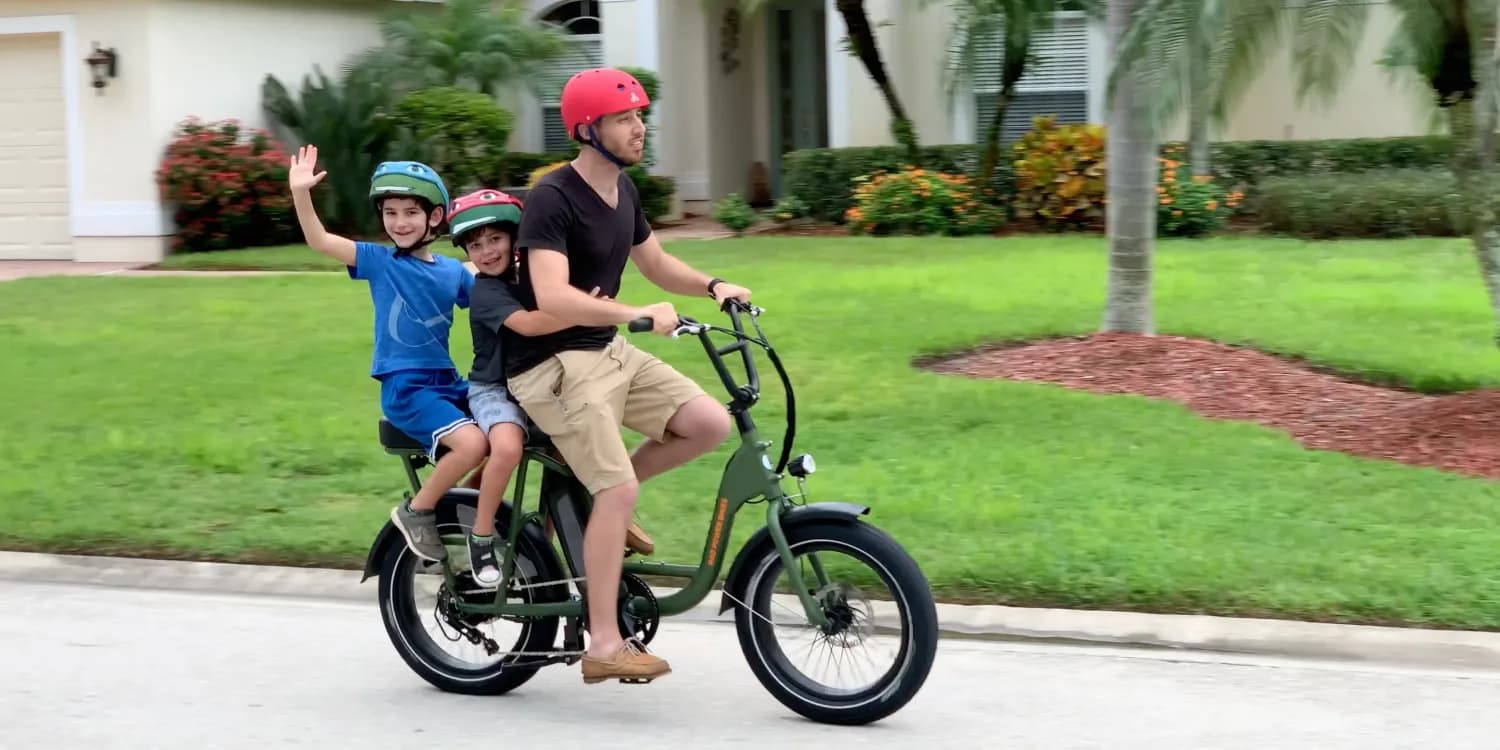
The passenger capabilities of these bikes aren’t just for hauling kids, which is also a great benefit by itself, but instead they’re increasingly being used for adult partners, teens, roommates, and friends.
It’s a fun, practical, and surprisingly useful feature to have available.
But riding two-up also changes the physics in ways that seriously matter. It’s a totally different experience and so you shouldn’t just hop on a two-seater e-bike and think you’re going for a typical ride. These tips will help explain the differences and how to stay safe, coming from someone who has spent the better part of his life on two wheels, much of it with a passenger behind him.
None of this is meant to scare you off – it’s meant to help you do it right!
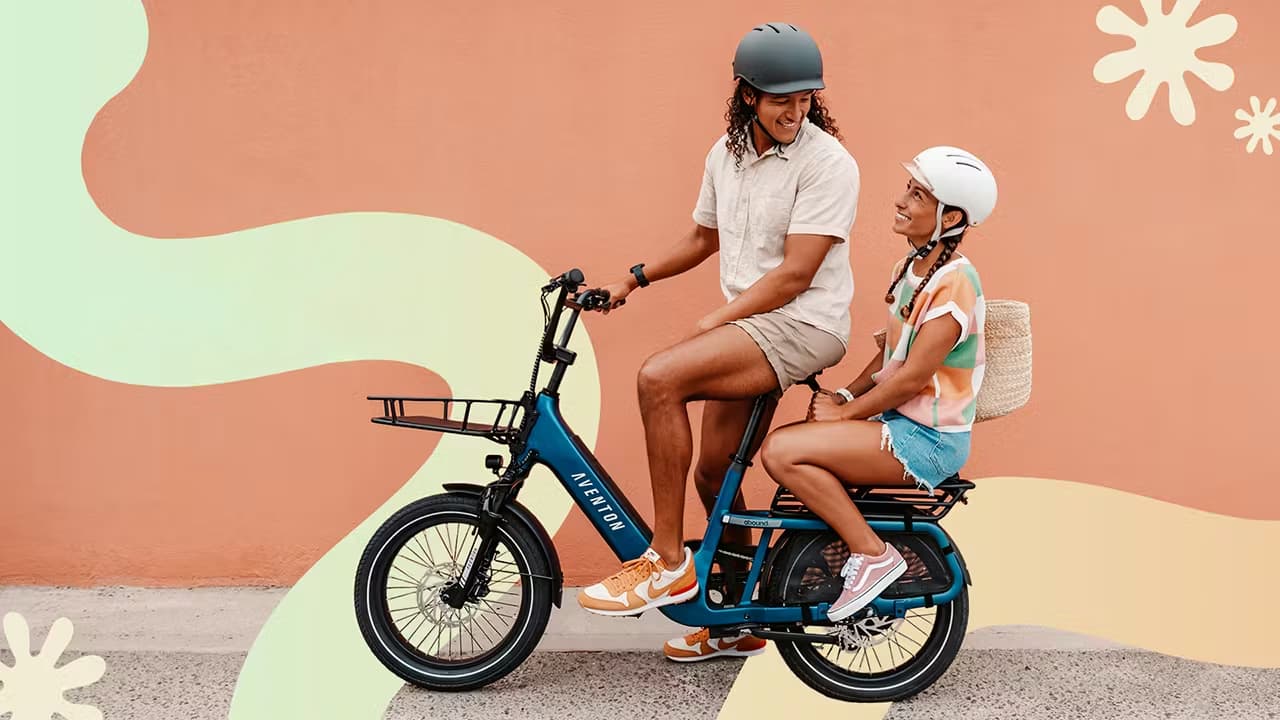
Make sure the bike (and rack) are actually designed for it
First things first: not every e-bike that can carry weight should carry a second human. Look for explicit manufacturer approval for passenger use and confirm that the rear rack or frame is rated for people, not just cargo. A rack rated for 60 pounds of groceries is very different from one designed to hold a moving adult.
Passenger-carrying e-bikes make themselves very clear. A thin rear rack may technically hold the weight of someone sitting on it, but it isn’t meant to handle the jarring, rough ride that comes with moving human mass. Real adult-rated passenger kits come on heavier duty e-bikes and are rated for carrying adults.
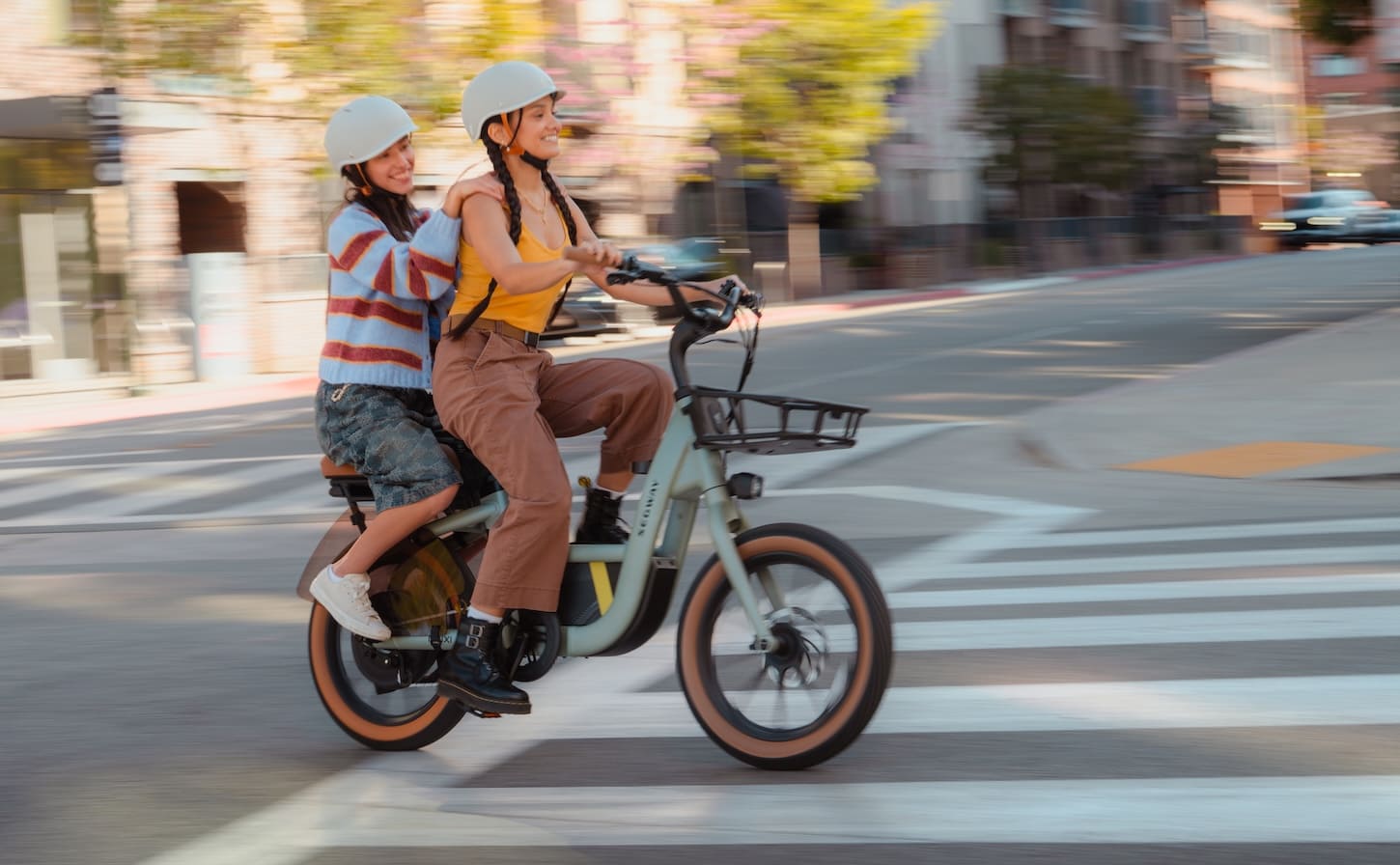
Closely tied to this is the total weight limit. Rider, passenger, accessories, panniers, child seats – it all adds up quickly. Exceeding the bike’s rated capacity stresses more than just the rack; it affects braking performance, handling, wheel durability, and long-term frame health. So understand your bike’s total weight limit and don’t push past it.
In the same note, purpose-built passenger kits exist for a reason. A padded seat, proper foot pegs, wheel skirts, and grab handles are common features and they’re real safety equipment. A passenger sitting on a bare rack or milk crate has nowhere to brace, nowhere to put their feet, and no predictable way to stay centered.
A good passenger kit also keeps legs and clothing away from spokes and rotors. That may seem like a small detail, but it’s critical for safety. Keeping skirts, shoelaces, or toes out of the rear wheel is a matter of preventing the kind of accidents that end rides abruptly and painfully.
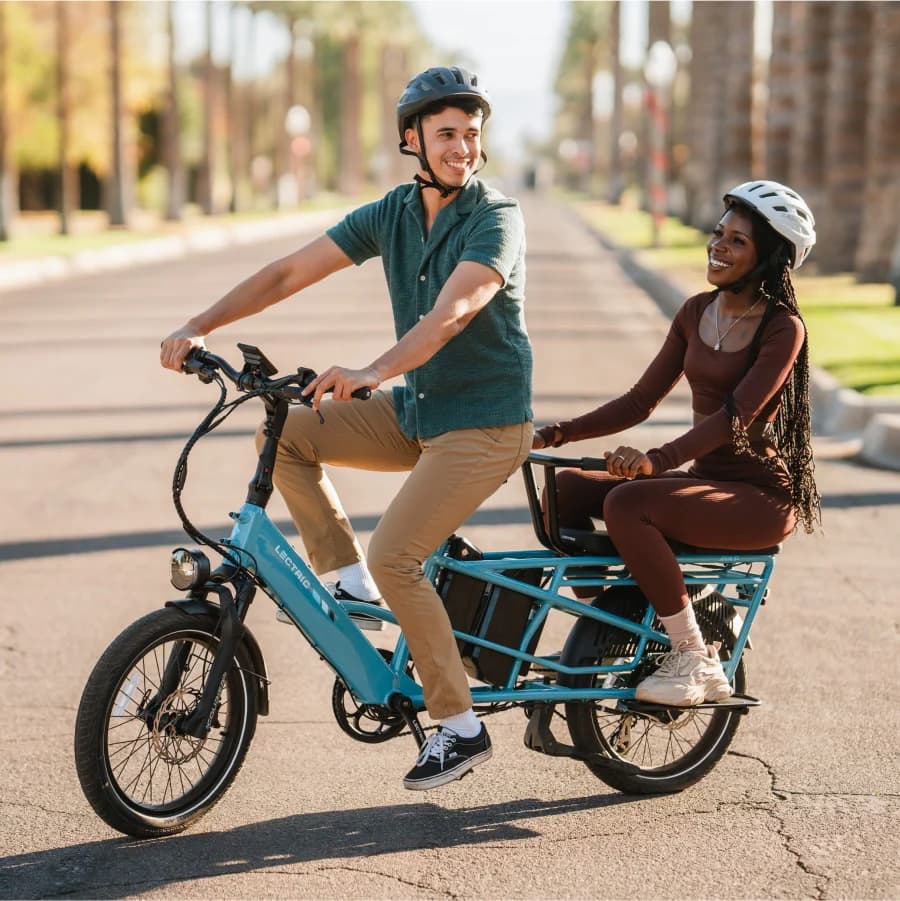
Braking distances grow faster than you expect
Ok, so now that we’ve got the mechanics of passenger kits out of the way, here’s what to expect when you double the mass on the bike.
Adding a second rider dramatically increases momentum, and that’s especially noticeable on faster e-bikes. That means longer stopping distances and more heat going into your brakes.
Riders should plan stops earlier, brake more progressively, and use both brakes confidently. You also want to make sure you’re braking properly (i.e. less front brake if you need to brake in a turn, etc).
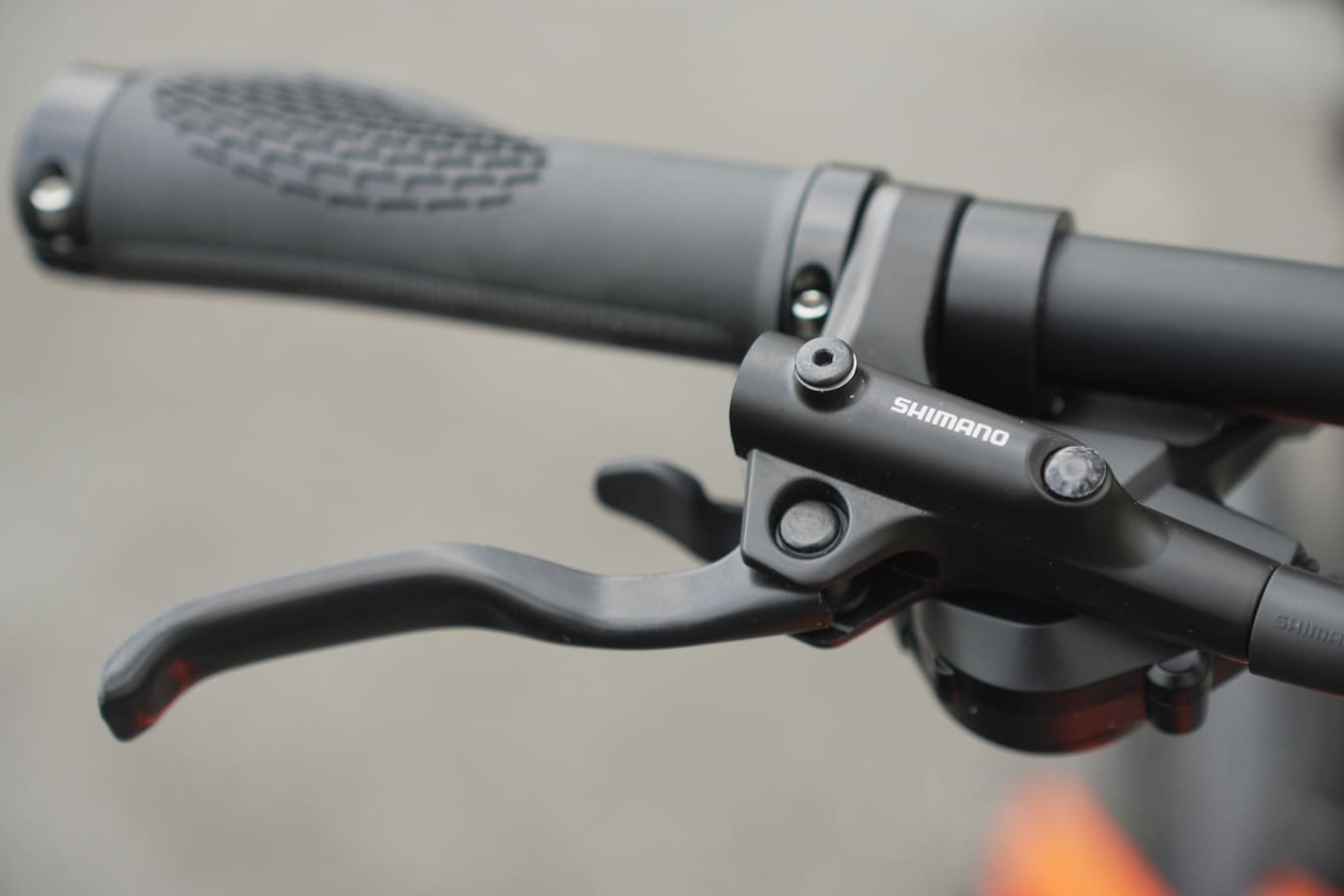
If your bike already felt “adequate” when braking solo, two-up riding may expose its limits. This is one area where higher-quality brakes really earn their keep. Hydraulic brakes are almost universally standard on bikes that are natively designed for carrying adult passengers, but if your bike doesn’t have them, an upgrade could be helpful.
Hydraulic brakes don’t necessarily provide more braking power than mechanical brakes (though they can), but the bigger benefit is that they don’t require as much hand strength to provide the same braking force. So a lighter squeeze of the fingers can still give impressive stopping power even with two riders.
If you’ve never ridden with a passenger in the back before, I’d recommend starting off in a big open parking lot or other area free from obstacles. Even five minutes of figure eights in a safer location can make a big difference compared to starting your first-ever two-up ride on the side of the road. When those first wobbles catch you off guard, and you have to weeble or wobble over the painted line into the car lane, you’ll wish you had practiced a bit more in a safer location first.
Balance, starts, and passenger behavior matter
Most two-up riding instability happens at low speeds. Starting from a stop, stopping suddenly, or creeping through tight spaces all become trickier with extra weight high and rearward. If you’ve ever ridden with a heavy milk crate on your rack, you’ll know how the dynamics change. Now imagine an even bigger weight back there, and you get the idea.
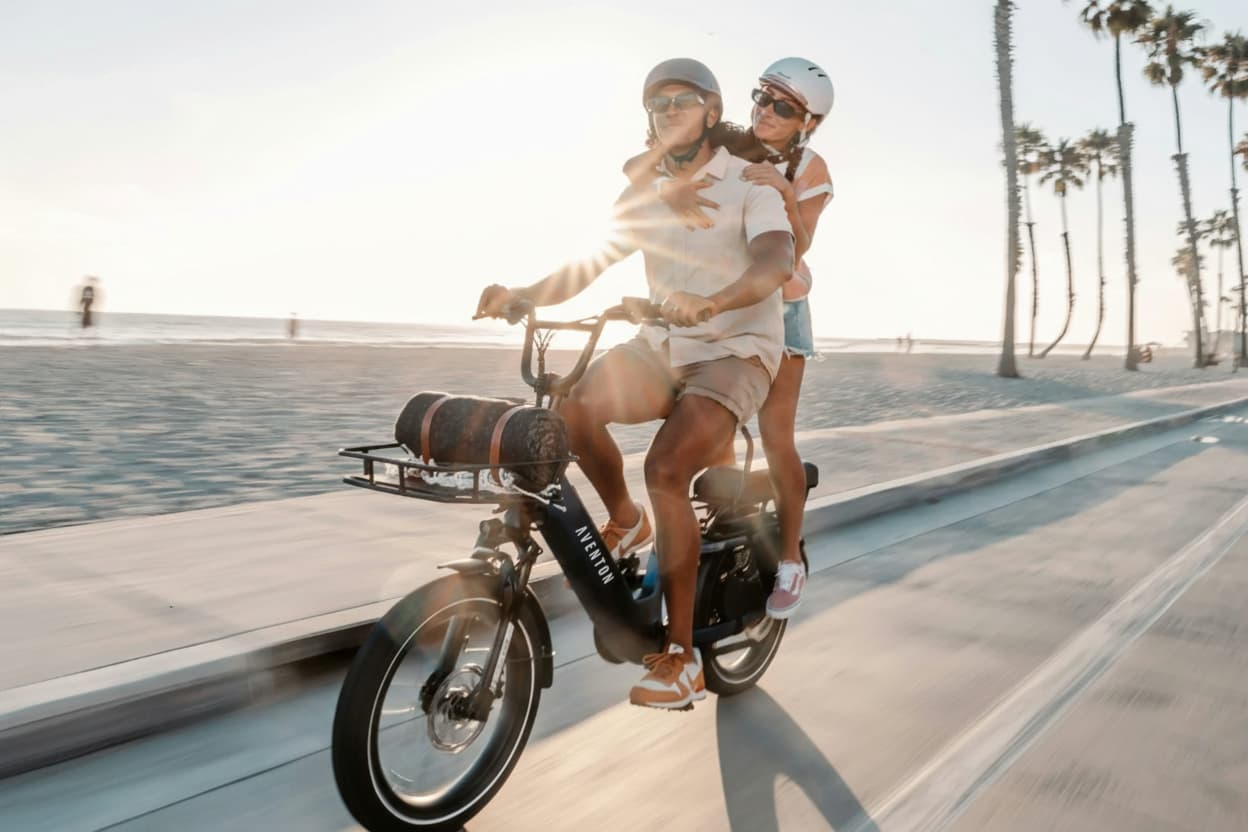
This is where passenger behavior becomes critical. Passengers should stay seated, keep their weight centered, and avoid sudden leaning or shifting. Clear communication helps here. A quick “starting” or “stopping” cue can make the experience smoother and safer for both people.
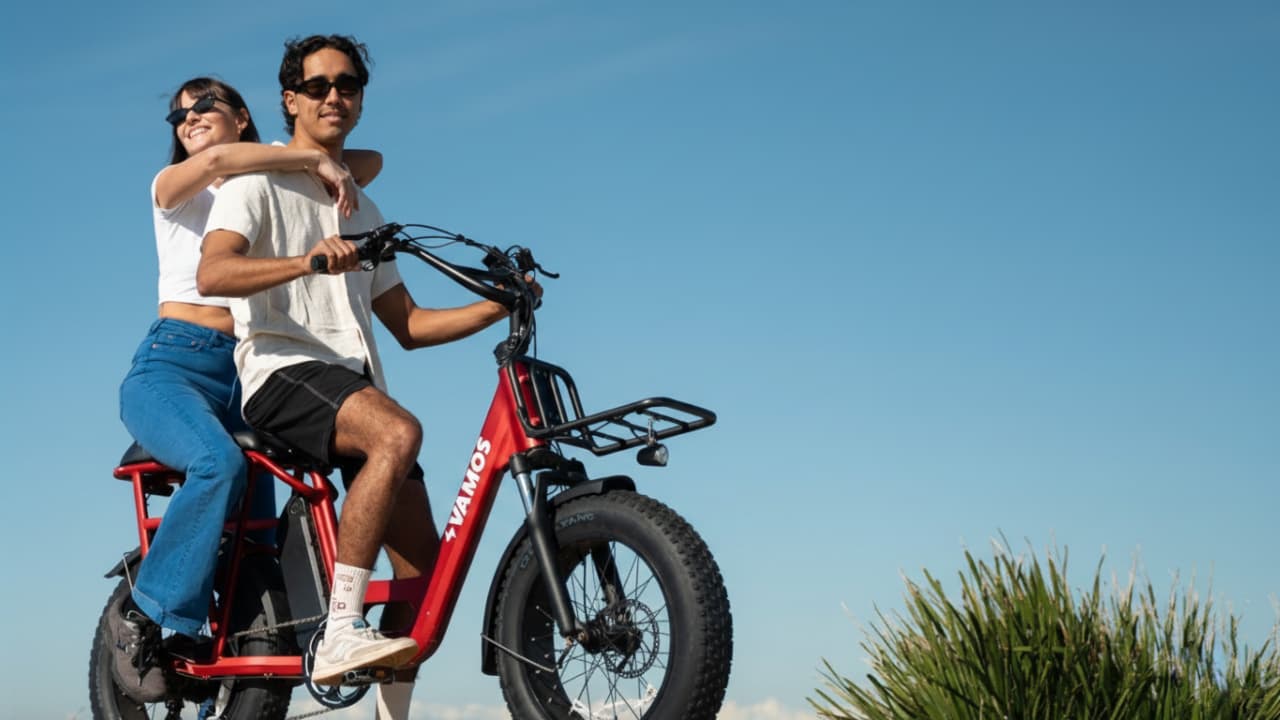
My wife knows that when she’s on back, she should basically become my backpack, with her chest on my back and the two of us basically being one meat lump (how romantic) on the bike. That’s the ideal position, but if you’re not as intimate with your passenger, just make sure they hold on to your shoulders or the second set of bars that come with some passenger kits, and that they don’t try to lean separately from you.
In fact, tell them explicitly that they shouldn’t be doing any leaning themselves. They should just stay fixed to the bike and do whatever the system does. Some new backseat riders will try to remain up and down in turns, which may “feel right” to them but is the opposite of right. Make sure they know that when the bike leans in a turn, they should just stay stuck to it and thus they’ll be leaning with it (and with you). Again, they’re a backpack, for all intents and purposes.
Making it clear when they should mount or dismount is also important. After years of riding together, my wife and I can do this nonverbally when I set my feet or with a quick look or nod, but for new riding partners, be clear about “Ok, now you can hop on,” or “go ahead and hop off,” so they don’t surprise you with a sudden movement.
A few months ago, after a friend of mine picked me up on his motorcycle and I forgot to make it clear when I was getting off after we parked, the two of us and a 450 lb bike all went toppling over together. Just goes to show: being a good frontseater doesn’t necessarily make you a good backseater!
Adjust tires and suspension if you can
Many e-bikes don’t offer suspension adjustment, but if yours does, two-up riding is exactly when to use it. Adding preload to a rear shock can restore proper geometry and prevent bottoming out. Most passenger-carrying electric bikes don’t have any rear suspension (it helps them reduce cost while increasing payload capacity), so there’s not as much to worry about if your bike is rigid in the rear. Instead, focus on tire pressure.
Tire pressure is often overlooked, but it is very important when riding two-up. Heavier loads often need higher pressure to maintain stability and reduce the risk of pinch flats. Soft tires that felt comfy solo can feel vague and squirmy with a passenger onboard.
When it comes to actual motor vehicles like scooters and motorcycles, they will often have published tire pressures that differ when you have two riders. I keep my daily driver scooter in two-rider air pressure specs since I’m so often riding with my wife or friends. E-bikes rarely come with this level of detail in their manuals or spec sheets, so just note that if you’re often riding two-up, extra air in the tires – especially the rear – can be beneficial.
Infrastructure can be the limiting factor
A bike that handles two riders well doesn’t magically make bike infrastructure wider. Narrow bike lanes, tight bollards, sharp turns, curb cuts, and steep ramps all become more challenging with a longer or heavier setup.
This doesn’t mean two-up riding isn’t viable – it just means route choice matters more. Smooth pavement, wider paths, and predictable traffic conditions make the experience far more enjoyable.
It’s always ideal to ride in places you know better, since that usually means you’re more aware of the predictable obstacles on your route. But pay even closer attention when riding two-up in new areas, and don’t ride overly fast if you don’t know what kind of obstacles you’ll encounter around the next turn.
Know the local rules – and think about liability
Passenger rules, helmet requirements, and age restrictions vary by jurisdiction. Some places regulate seating positions or require helmets for all riders, not just the operator. It’s worth knowing the rules before discovering them mid-ride.
Many cities are also starting to ban two-up riding on e-bikes. It’s a heavy-handed approach that I’m not in favor of, but they don’t ask me when they make the rules. Either way, it’s worth checking in advance to make sure you’re not running afoul of local regulations by letting your buddy or girlfriend hop on the back.
Carrying another person also raises the stakes. If something goes wrong, you’re responsible not just for yourself. That’s another reason to ride conservatively and set expectations clearly.
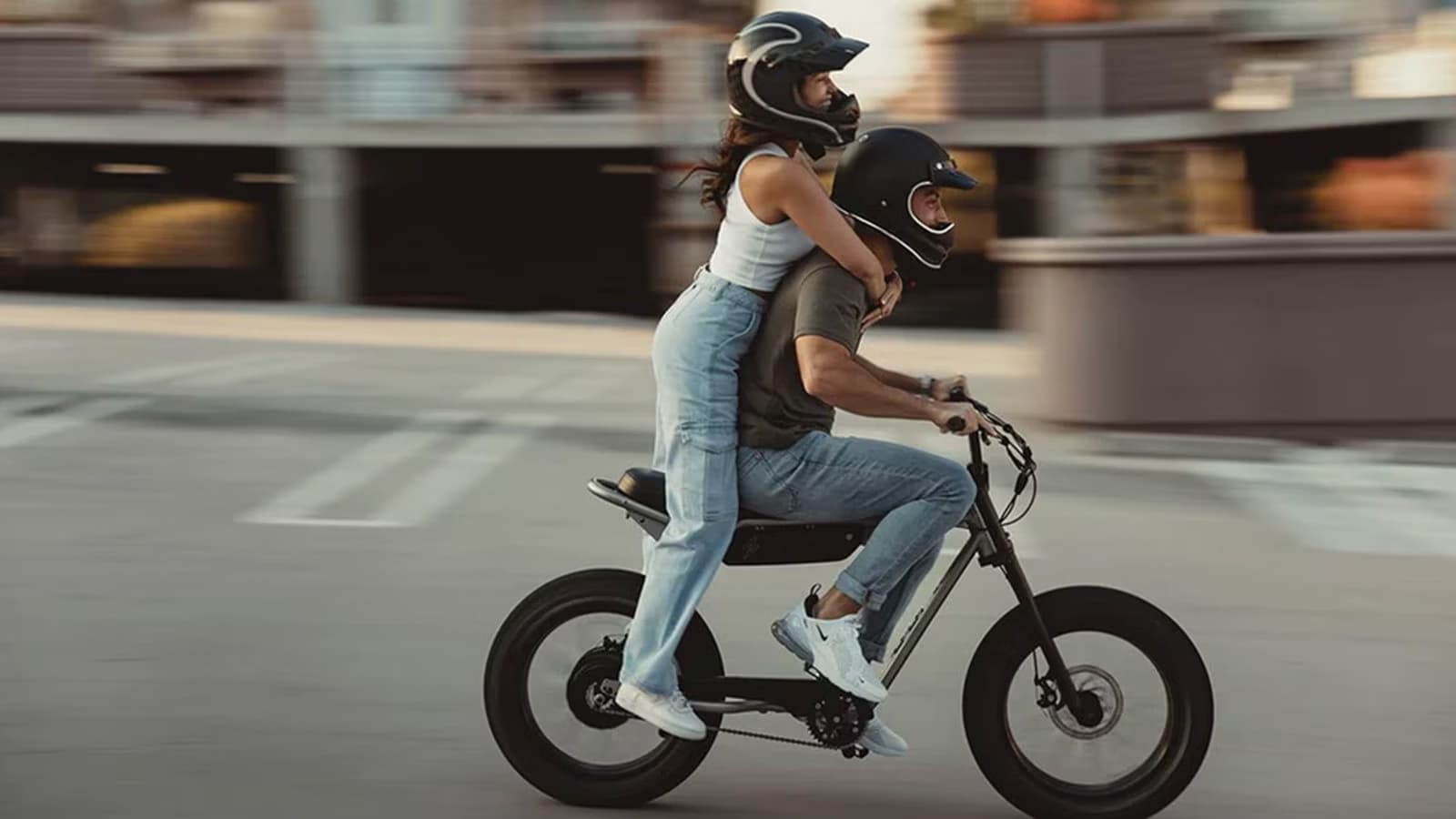
Dress for the slide, not just the ride
Two-up riding is inherently a bit riskier than riding solo. That doesn’t mean it’s reckless, but it does mean it deserves more respect. Closed-toe shoes, proper helmets for both riders, and skipping flip-flops or loose clothing are small choices that can make a big difference.
I don’t always wear full protective clothing, but I often will throw on some of my Beyond Riders gear because it is designed for protection in a spill without looking like biker jackets and pants. It lets me wear slide-resistant fabric with built-in impact armor while still looking like I’m meeting friends at a coffee shop rather than at a biker bar.
While I’d definitely recommend more gear than less, the bare minimum would ideally be a helmet, closed shoes, and long pants. You really don’t want to go down with a passenger, but if you do, seeing them get injured will only make you feel worse.
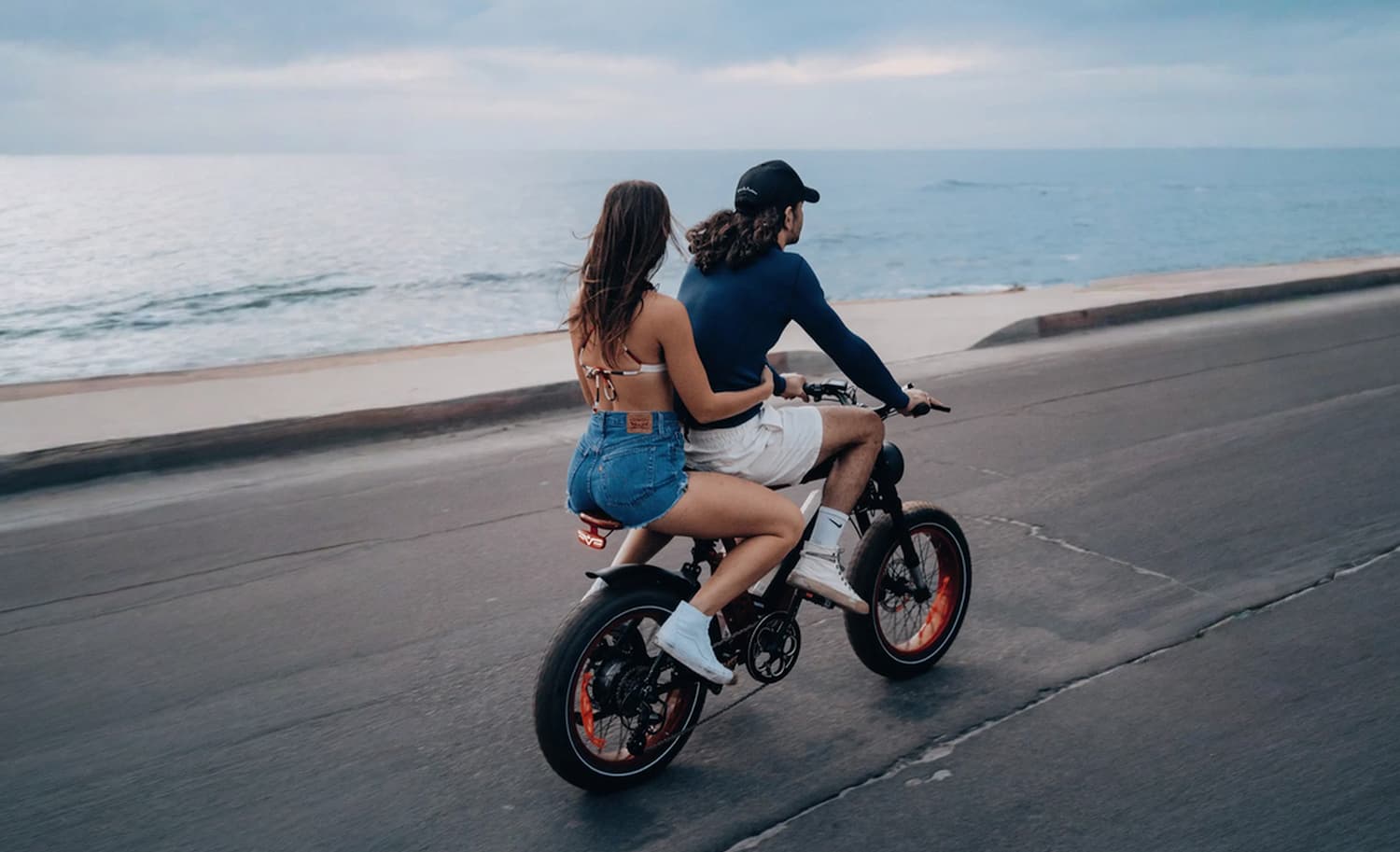
To wrap things up, it’s probably pretty apparent that I’m all about riding two-up. I think it’s a great feature of many e-bikes. Sharing rides, replacing car trips, and turning everyday transport into something social is one of the quiet joys of e-bikes. The upside is real, but it’s not without downsides.
Do it thoughtfully, respect the extra risks, and riding with a friend can be one of the most rewarding ways to use an electric bike.

FTC: We use income earning auto affiliate links. More.