On the shoulders of giants: roaming among England’s famous chalk figures | Walking holidays
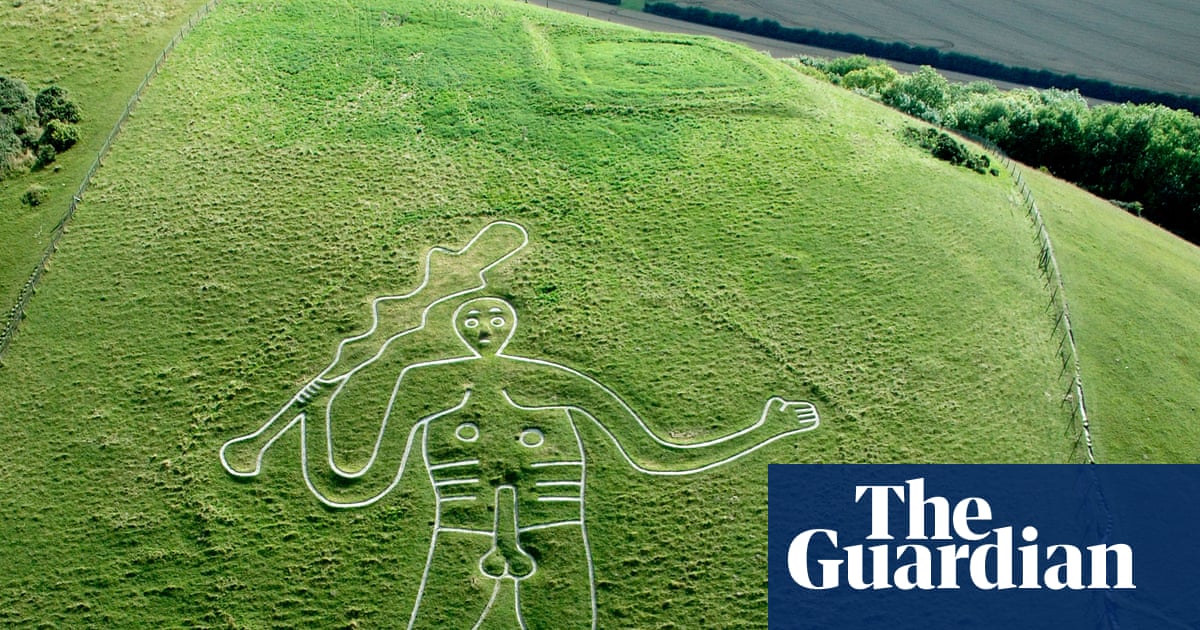
In the churchyard next to Wilmington Priory in East Sussex, I found a yew so ancient and stooped that its trunk had eaten half a gravestone. Its boughs were supported by long poles, a creepy sight that made me shudder. I had come here to see something just as strange, but more benign than this folk-horror vision – the figure of the Long Man of Wilmington on the hillside opposite, on the steep scarp of the South Downs. He treks over the hill, a stave clasped in each hand. Climbing Windover Hill, just beneath the South Downs Way, I saw that while he was once a chalk giant, his lines are now marked with concrete blocks. The Guardian’s journalism is independent. We will earn a commission if you buy something through an affiliate link. Learn more. The Long Man may be Anglo-Saxon in origin – the shape is similar to the design on a buckle discovered in Kent in 1964 by the archaeologist Sonia Chadwick Hawkes, which probably represents the god Odin (or Woden); but he …