All posts tagged: wellbeing

Yoga for over-60s: Six ways it can boost your health and wellbeing

Yoga for over-60s: Six ways it can boost your health and wellbeing

Get the Well Enough newsletter with Harry Bullmore for tips on living a healthier, happier and longer life Get the Well Enough email with Harry Bullmore Get the Well Enough email with Harry Bullmore Turning 60 often marks the beginning of a new phase in how we look after both our physical and mental wellbeing. With more time to prioritise health, many people seek sustainable, enjoyable and supportive activities to navigate the body’s natural changes – and yoga is an option that meets many of these needs. “When you search yoga, a lot of the time, it can really look like a young person’s game when you see images of contortionistic poses, but yoga is open to all,” says Isobel Palmer, a yoga and pilates teacher and founder of LIM Studio. “It’s never too late to start, and the benefits and community are for everyone.” Here are six reasons why it might be worth rolling out a mat: 1. Improves balance “There are so many different types of yoga, and in Vinyasa yoga you work …

Disrupted sleep is the primary pathway linking problematic social media use to reduced wellbeing

Disrupted sleep is the primary pathway linking problematic social media use to reduced wellbeing

A new study published in Addictive Behaviors suggests that struggling to control your social media habits takes a toll on your mental health by disrupting how well you sleep. The research provides evidence that the way screen time interferes with our nights tends to be a primary pathway leading to symptoms of depression and anxiety. Protecting our sleep habits might be one of the most practical steps we can take to defend our psychological wellbeing. Previous studies exploring the connection between heavy social media use and mental health have produced mixed results. Some research suggests a clear link to later depression and anxiety, while other work points to weak or no significant connection at all. The scientists noticed a gap in understanding exactly how these factors connect over time. Sleep is often the first thing people compromise when endlessly scrolling through apps late at night. Yet, the specific role of sleep in bridging the gap between digital habits and psychological distress had not been tested over an extended period. “This research is the part of …

Is it true that … having a diverse microbiome stops you from getting sick? | Health & wellbeing

Is it true that … having a diverse microbiome stops you from getting sick? | Health & wellbeing

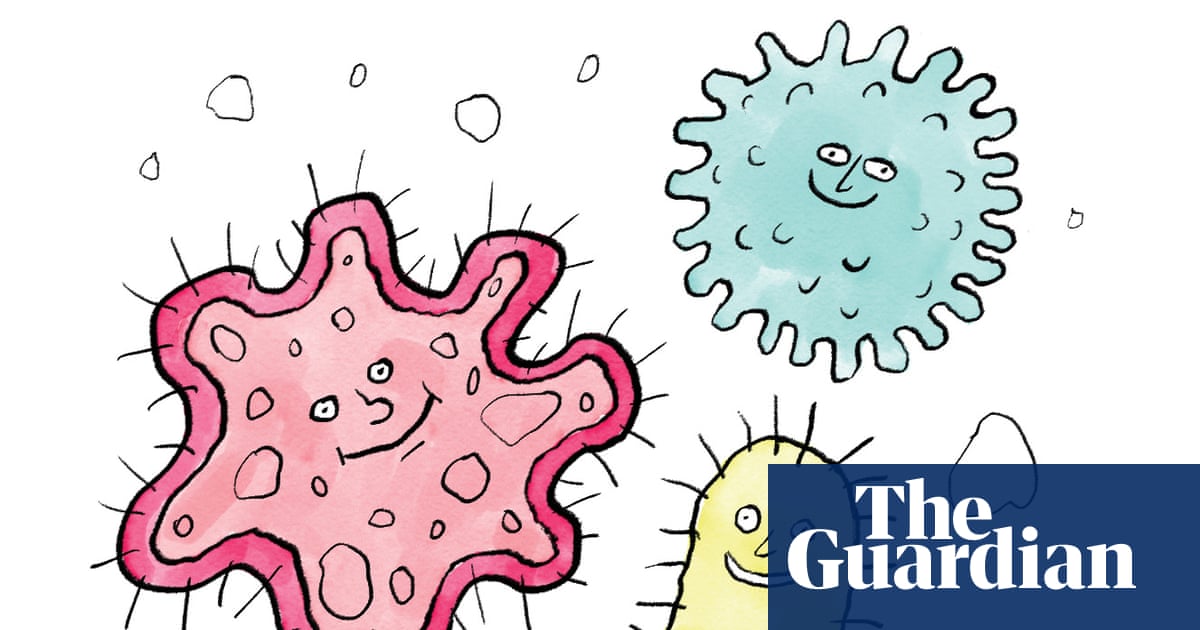
The trillions of microorganisms that live in and on our bodies – known as the microbiome – have been hailed as the key to better immunity. “Lots of studies correlate the types of bacteria in your microbiome with health and disease across almost every mental and physical condition,” says Prof Daniel M Davis, head of life sciences at Imperial College London and the author of Self Defence: A Myth-busting Guide to Immune Health. “But most of that evidence is correlative, and we still need to understand exactly how the microbiome affects health.” Scientists often look at one measure: diversity. In other words, how many different species of microbes live in the gut. “The more diverse your microbiome is, the more it seems to correlate with not being ill.” double quotation mark Be very sceptical of products that promise, ‘This is going to change your microbiome and make it healthier’ However, studies indicate that the story is more complicated. “New research suggests that what really matters is competition,” says Davis. “If groups of bacteria are feeding off each other and synergising in ways that …

The best water flossers in the UK, tested for that dentist-clean feeling | Health & wellbeing

The best water flossers in the UK, tested for that dentist-clean feeling | Health & wellbeing

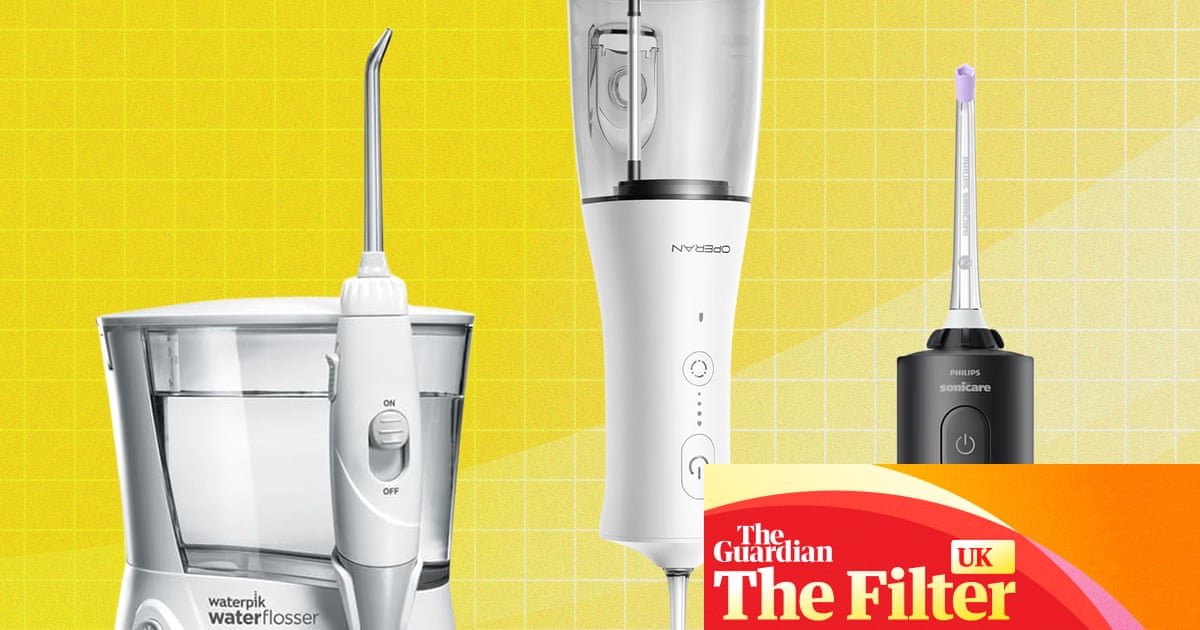
There isn’t much I miss from my pre-Invisalign “gappy teeth” days, but it was far more difficult for food and plaque to get stuck in the gaps – something I took for granted at the time. Using floss between my pre-braces teeth was easy, but ultimately pointless, like using a pipe cleaner to buff the Dartford Tunnel. The Guardian’s journalism is independent. We will earn a commission if you buy something through an affiliate link. Learn more. With all the gaps closed, that’s no longer the case, and my water flosser has become a welcome part of my dental routine. A water flosser fires an intense jet of water between the teeth to dislodge debris and leave your mouth feeling fresher. “Most people know they should be flossing, but in reality, it’s one of the most skipped steps in daily oral care,” says Dr Johannes Jacobs, the founder of Jacobs & Associates Dental Office. “Patients who struggle with traditional flossing routines often do far better with water flossers, and their gum health improves noticeably.” Most of …

Why does alcohol make us both happy and miserable – and what else does it do to our minds and bodies? | Health & wellbeing

Why does alcohol make us both happy and miserable – and what else does it do to our minds and bodies? | Health & wellbeing

Whatever you think of alcohol, you have to admit that it’s versatile. Ever since the first humans started smashing up fruit and leaving it in pots to chug a few days later, we’ve been relying on it to celebrate and commiserate, to deal with anxiety and to make us more creative. We use it to build confidence and kill boredom, to get us in the mood for going out and to put us to (nonoptimal) sleep. Where most mind-altering substances have one or two specific use-cases, alcohol does the lot. That’s probably why it’s been so ubiquitous throughout human history – and why it can be so hard to give up entirely. “We often call alcohol pharmacologically promiscuous,” says Dr Rayyan Zafar, a neuropsychopharmacologist from Imperial College London. “It doesn’t just calm you: it can stimulate reward pathways, dampen threat signals, release endogenous opioids that can relieve pain or stress, alter decision-making and shift mood, all at the same time.” By way of comparison, we know that cocaine primarily acts on our dopamine and noradrenaline …

Stop the brain rot! 12 ways to stay sharp in a mind-frazzling world | Health & wellbeing

Stop the brain rot! 12 ways to stay sharp in a mind-frazzling world | Health & wellbeing

Ever had one of those days when you get nothing done but still somehow feel exhausted? Of course you have: brain rot, the Oxford word of the year for 2024, isn’t yet in any medical dictionaries, but it’s probably best understood as the decline in cognitive abilities that comes from endless exposure to easily digestible information. And, thanks to the ubiquity of short‑form video and social media, it’s almost certainly on the rise. “When we’re engaging with this sort of media, our brains are both underworked – because the information is easy to understand – and overworked because there is so much information to absorb,” says Dr Wendy Ross, a senior lecturer in psychology at London Metropolitan University. “That’s why you end up tired even if you’re just scrolling on your couch.” Want to throw the process into reverse and recover your attention? Here’s how. Learn to do cryptic crosswords “Don’t be afraid that you find some things hard,” says Ross. “Things that require considerable mental effort, such as cryptic crosswords, can reset the balance …

What Does Mental Well-Being Look Like?

What Does Mental Well-Being Look Like?

Our discourse is saturated with talk of mental health, often with resources to back this up. Mental health has assumed a (rightful) place at the top of the health pyramid, and we are better for it. A central irony in this “era of mental health,” however, is that we often lack a clear or consensus definition of it as a workable term and concept. Mindful of this gap, I offer some thoughts from mid-20th-century psychologist Erich Fromm as a potential guide toward a positive notion of mental health. What Mental Health Is Not In recent years, I designed a course called What Is Mental Health? and began by asking a simple question: “What does mental health look like?” This always produces a perplexed response and no easy answer. People usually know what poor mental health looks like—anxiety, depression, low mood, low motivation, panic attacks, paranoia, etc. This is easy. When faced with the opposite, however—good mental health—we usually need more than simply saying “no anxiety” or “no depression.” A conversation about mental health thus evokes …

Doctor Reveals Five Simple Lifestyle Changes That Can Make You Live Longer

Doctor Reveals Five Simple Lifestyle Changes That Can Make You Live Longer

It turns out that tiny changes – minutes more exercise, a few grams more veggies – can make a surprisingly large difference to your longevity and heart attack risk. And Dr Dominic Greenyer, a private GP at The Health Suite, said that those lifestyle changes become medically obvious in time. “If you followed two twins over time, you would often see clear differences in their skin, body composition, energy levels and overall health depending on how they live,” Dr Greenyer said. “Ageing is not just about time passing. It’s about how well the body is maintained.” Here, he shared the five factors he feels make all the difference: 1) Building and maintaining muscle As we age, our muscles begin to wane – a process called sarcopenia. If we do nothing to maintain or build it, some research says we’re expected to lose half our muscle mass by 80. “One of the biggest predictors of healthy ageing is muscle mass,” Dr Greenyer said. 2) Prioritising sleep and recovery “Chronic poor sleep can accelerate ageing at a …

‘As soon as I left the first session I felt taller’: is reformer pilates as amazing – or awful – as they say? | Health & wellbeing

‘As soon as I left the first session I felt taller’: is reformer pilates as amazing – or awful – as they say? | Health & wellbeing

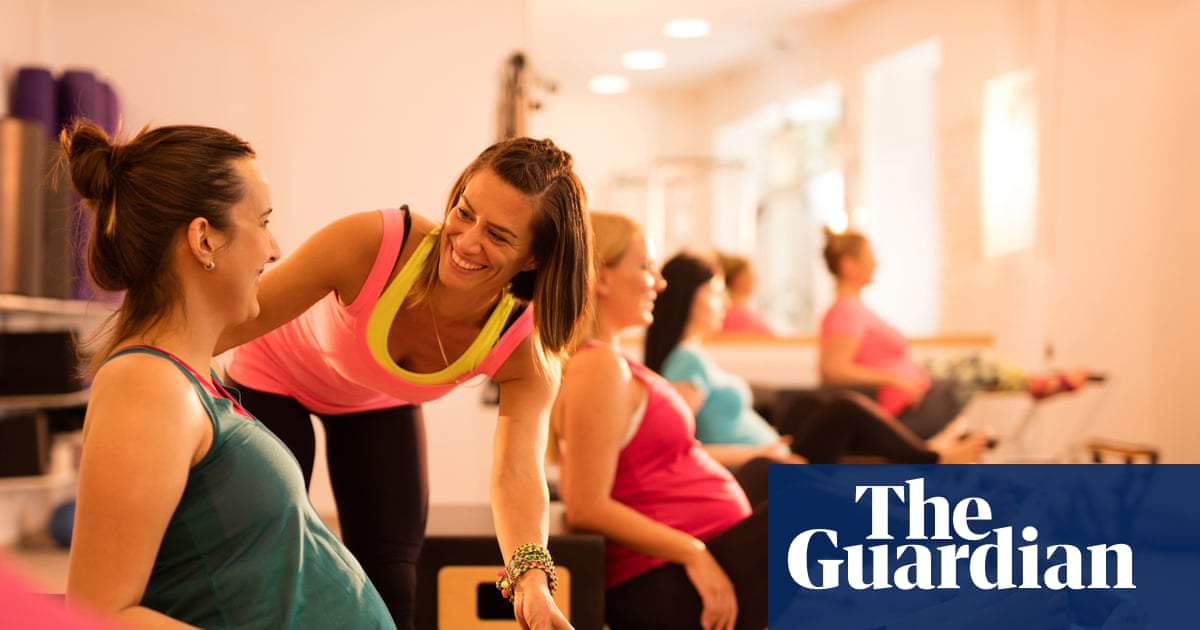
I have noticed something new in my London neighbourhood. Amid the sea of nail salons, vape shops and purveyors of fried chicken, sleek, opaque-fronted premises are popping up everywhere. There are several within 15 minutes of my home. At weekends, you can spot clusters of devotees heading to these mysterious, vaguely aspirational temples of self-care, AKA reformer pilates studios. Many of these devotees conform to an aesthetic popularised on TikTok via hashtags such as #pilatesprincess. There is definitely a uniform: pink athleisure, Rhode phone cases and oversized pastel-coloured Stanley tumblers, jokingly referenced on Instagram as “emotional support” bottles. It is a trend that prompted New York magazine to run an article under the headline “Why Pilates Keeps Pissing People Off”: the workout has become inseparable from a very strict idea of womanhood. Whatever the truth of that, it is certainly not putting people off. Pilates has occupied the top slot around the world for three consecutive years on fitness booking app ClassPass, which reported that bookings in 2025 were up 66% year on year. This …

A moment that changed me: for the first time in my life, a stranger pronounced my name correctly | Health & wellbeing

A moment that changed me: for the first time in my life, a stranger pronounced my name correctly | Health & wellbeing

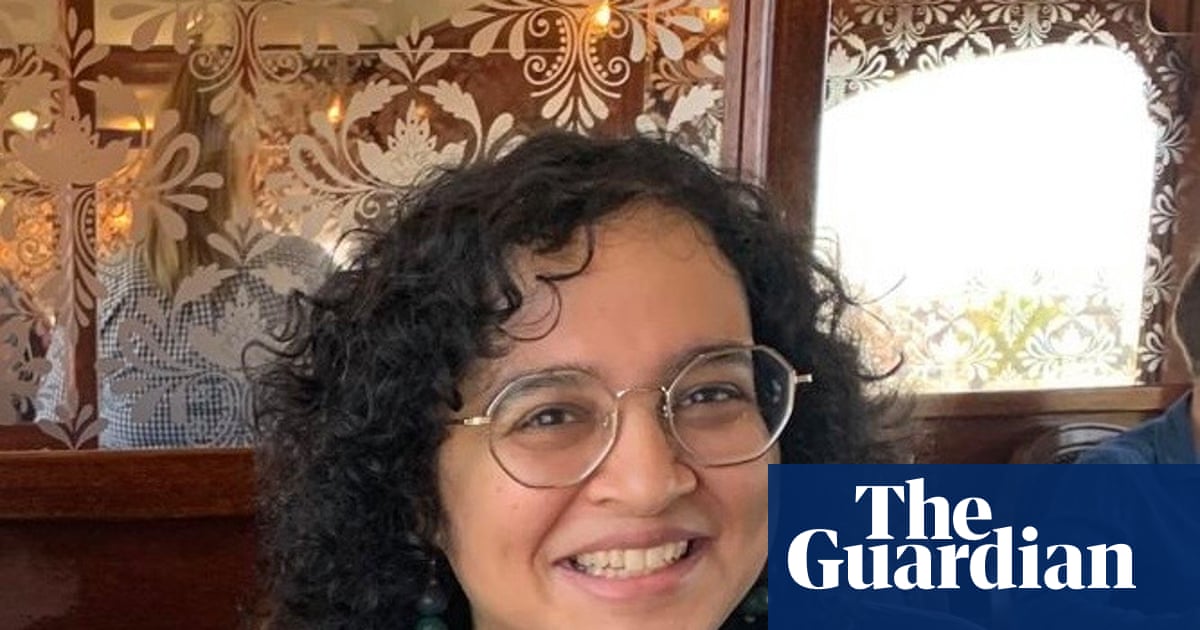
I had five names on the day of my Hindu naming ceremony, but my given name was Priti, a name that came to shape me. Like most children with “unconventional” names, I dreaded the first day of each school year. I would squirm in my chair as my new teacher worked their way through the class register, and my stomach would drop as they attempted to say my full name: Priti Ubhayakar. I would be sitting there thinking: “If the first name doesn’t get you, the last name will.” In my hurry to get it over with, I would interrupt the teacher as they struggled – an attempt to save everyone from embarrassment. In primary school, most teachers and friends simply called me “pretty”. I felt so ashamed of my name that I never thought to correct them. I hated it, mostly because I was teased. “Pretty? You’re not very pretty. Pretty ugly, I would say.” Priti with her brother Kiran, at primary school in 1986. Photograph: Courtesy of Priti Ubhayakar The word “pretty” followed …