All posts tagged: chronic

Scientists reveal the biological pathways linking childhood trauma to chronic gut pain

Scientists reveal the biological pathways linking childhood trauma to chronic gut pain

Two recent studies published in Gastroenterology provide evidence that events in early life shape the long-term health of the gut and brain. The research suggests that early stress and fetal exposure to certain medications increase the risk of digestive and mood disorders. Together, these findings point to new ways to treat conditions that involve both the brain and the digestive system. Disorders of gut-brain interaction are digestive conditions that often occur alongside mood disorders like anxiety and depression. These conditions affect up to 40 percent of people worldwide and include issues like irritable bowel syndrome and functional constipation. Scientists recognize that the physical connection between the gut and brain tends to dictate how these diseases develop. “As a physician who specializes in kids with disorders of gut-brain interaction (DGBI), I was caring for a number of children who were really suffering with symptoms (constipation, diarrhea and/or abdominal pain) so severe that they lived their lives in fear of not feeling well rather than focusing on thriving at school and enjoying friends and family, as they …

The Medical Myth That Keeps People In Chronic Pain, And How One Expert Finally Helped

The Medical Myth That Keeps People In Chronic Pain, And How One Expert Finally Helped

For decades, maybe even longer, the medical establishment has told people that there are two kinds of pain: physical pain from a source that can be seen (like from a broken bone, a heart attack, or a laceration) and pain that starts in the brain, like psychosomatic pain. Now we know that this separation is a medical myth, and it always was. Mind and body are all one thing.  Pain, of all types, lives in the brain and nervous system. Whether you need stitches from a kitchen accident or your chest aches from grief or stress, these are all real types of pain. They are coming from the nerves and being processed by the brain. None of them is fake or “all in your head”.  With that in mind, Andrea Miller of Getting Open wanted to better understand an area of health, pain control, and physiology that pretty much nobody talked about: fascia. Research explaines that facia works, essentiallly as the regulatory system in health and disease. If you’ve heard about fascia or fascia release …

Research may have found the secret to delaying chronic illness in old age

Research may have found the secret to delaying chronic illness in old age

Get the Well Enough newsletter with Harry Bullmore for tips on living a healthier, happier and longer life Get the Well Enough email with Harry Bullmore Get the Well Enough email with Harry Bullmore Imagine two people in their 70s. Both are active, live independently and enjoy life. But over the next 15 years, one of them develops two or three chronic illnesses – heart disease, diabetes, depression – while the other remains relatively healthy. What made the difference? According to our new research, diet may be a key part of the answer. In our new study, our group at the Aging Research Center at the Karolinska Institutet, Sweden, followed more than 2,400 older Swedish adults for 15 years. We found that people who consistently ate a healthy diet developed chronic diseases more slowly, in contrast to those whose diets were considered more inflammatory; that is, diets high in processed meats, refined grains and sugary drinks, which are known to promote low-grade chronic inflammation in the body. This is important because having several health conditions …

Dr TikTok: patients diagnose chronic illnesses with anonymous commenters’ help | Technology

Dr TikTok: patients diagnose chronic illnesses with anonymous commenters’ help | Technology

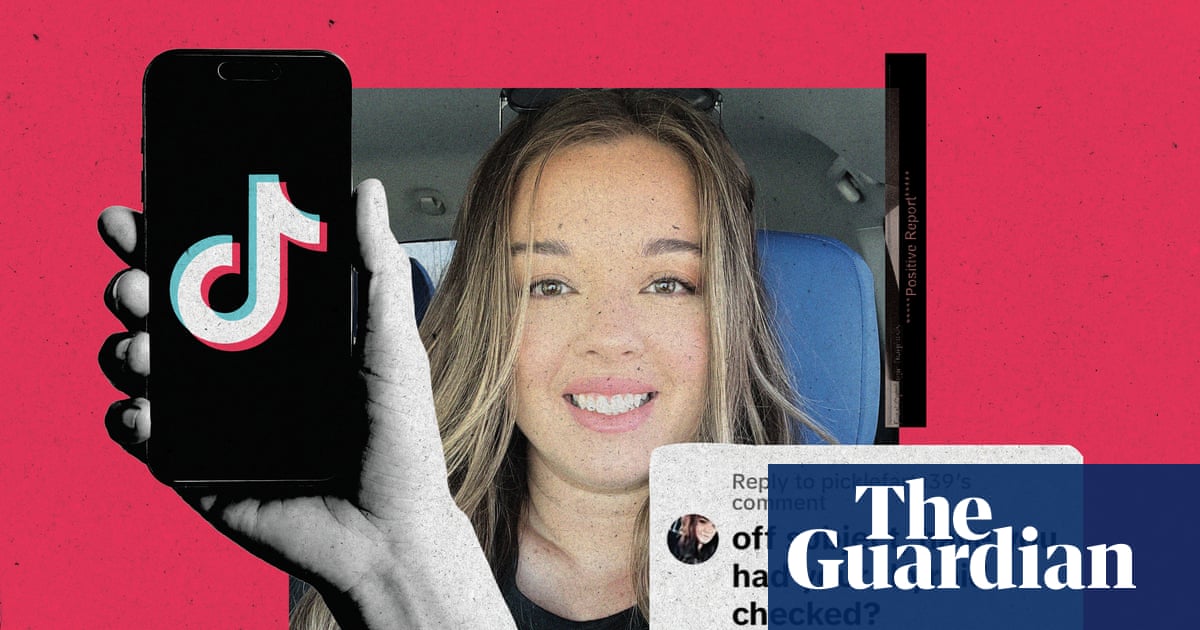
Malina Lee, a 31-year-old wedding baker based in San Antonio, Texas, joined TikTok during the Covid pandemic lockdowns in 2020. Like many people at the time, she was bored and began using the platform to pass the time and advertise her business. She didn’t expect a cancer diagnosis. Four years after Lee joined the app, a commenter with the username “PickleFart” told her that her neck looked asymmetrical in a way that could suggest she had a goiter – an enlarged thyroid gland – and that she should get it checked out. The anonymous amateur clinician turned out to be right – Lee had thyroid cancer, received treatment quickly, and, less than a year later, was cancer free. “My oncologist actually was in awe that I had caught it so early,” Lee said. “I hate to say it, but I would not have gone to the doctor unless I had seen that comment. The process was accelerated by someone called PickleFart, what can I say?” TikTok users are increasingly reporting that the app’s hyper-specific algorithm …

What’s Missing in Chronic Pain Treatment?

What’s Missing in Chronic Pain Treatment?

The minute I woke up I knew it was going to be one of those days. The sun was streaming into my bedroom, and its brilliance hurt my eyes. I turned on the news and the weatherman announced in an annoyingly chipper voice that we could expect yet another spectacular sunny day in SoCal. “Perfect for that long walk on the beach you’ve been wanting to take,” he said. I shut him off and scowled. A long walk on the beach? I can barely walk my poor dog down the street, and I love her beyond measure. If you’ve been reading this blog for the past few months, you’ll know why I’m so cranky. I’m in chronic pain from an auto accident eight months ago, when an Uber driver ran a red light and totaled my car. Until then, I’d always thought of whiplash as the dubious invention of ambulance-chasing lawyers. But the unrelenting pain in my neck and right shoulder has taught me otherwise. It’s real, it hurts like hell, and apparently it’s not …

People-pleasing is officially giving women chronic health issues: why do we do it?

People-pleasing is officially giving women chronic health issues: why do we do it?

Stay ahead of the curve with our weekly guide to the latest trends, fashion, relationships and more Stay ahead of the curve with our weekly guide to the latest trends, fashion, relationships and more Stay ahead of the curve with our weekly guide to the latest trends, fashion, relationships and more The compulsion to please others is inherently female. Say what you like about the evolution of gender roles and power dynamics between men and women in the modern age – everywhere you look, people-pleasing does not bear the same weight across genders. Thanks to a combination of factors – social conditioning, emotional vigilance, and straightforward sexism – women have a propensity to bend to the will of others much more than men, often putting their own needs to one side to prioritise (and please) others. This can mean saying “yes” when we mean “no”, taking on additional responsibilities we don’t have the time or energy for, and never making time to do something just for ourselves, seeing it as self-indulgent and wasteful. Now, research …

Chronic medical conditions predict childhood depression more strongly than social or family hardships

Chronic medical conditions predict childhood depression more strongly than social or family hardships

A recent study published in the Journal of Affective Disorders suggests that children and adolescents with chronic medical conditions face a higher risk of depression. The research provides evidence that physical health problems tend to be stronger predictors of youth depression than social disadvantages or relationship challenges. These findings point to a need for integrating mental health screening into standard medical care for young people. Tony Xing Tan, a professor of educational psychology at the University of South Florida, conducted the new study to better understand the various life circumstances that contribute to depression in youth. He wanted to figure out which specific challenges play the biggest role in the development and continuation of the condition. “I have a strong interest in the etiology of depression in children and adolescents. I know that, besides genetic disposition, negative life experiences (sometimes called risk factors) also contribute to the onset and maintenance of depression, so I wanted to find out among life circumstances, which ones were more potent,” Tan told PsyPost. Thanks to a newly organized national …

Regular exercise reduces anxiety and depression in people with chronic insomnia

Regular exercise reduces anxiety and depression in people with chronic insomnia

Regular physical activity provides evidence of being an effective way to relieve symptoms of anxiety and depression in people who struggle with chronic insomnia. A recent review of multiple independent studies suggests that exercise also improves overall sleep quality and reduces the severity of sleep disruptions. These findings were recently published in the journal Physiology & Behavior. Insomnia is a highly common condition where people have persistent difficulty falling asleep or staying asleep. This lack of rest frequently leads to severe daytime impairments, affecting a person’s social life, occupational functioning, and overall well-being. People diagnosed with this sleep disorder often experience high levels of psychological distress. This distress frequently shows up as symptoms of anxiety and depression. Medical professionals notice that insomnia, anxiety, and depression often feed into each other. Poor sleep worsens mood, and negative mood disrupts sleep, creating a cycle that is notoriously difficult to treat. Some evidence suggests that improving sleep quality can lead to better mental health, and improving mental health can lead to better sleep. Scientists wanted to explore non-drug …

Chronic Pain Can Make Noise Unbearable By Rewiring The Brain, Study Says

Chronic Pain Can Make Noise Unbearable By Rewiring The Brain, Study Says

By Dennis Thompson HealthDay ReporterFRIDAY, March 6, 2026 (HealthDay News) — Everyday sounds add to the torment of a person with chronic back pain, apparently because pain rewires how the brain responds to noise, a new study says. People suffering from back pain process sounds differently and more intensely, adding to their agony, researchers recently reported in the Annals of Neurology. “Our findings validate what many patients have been saying for years that everyday sounds genuinely feel harsher and more intense,” said senior researcher Yoni Ashar, co-director of the Pain Science Program at the University of Colorado Anschutz School of Medicine. “This tells us chronic back pain isn’t just about the back,” Ashar said in a news release. “There’s a broader sensory amplification happening in the brain, and that opens the door for treatments that can help turn that volume down.” For the new study, researchers compared 142 adults with chronic back pain to 51 pain-free folks. All of the participants underwent MRI brain imaging, during which they were asked to perform tasks such as …