


‘Prosthetics aren’t made for people like us’: the brothers creating innovative artificial limbs for Africans | Global development
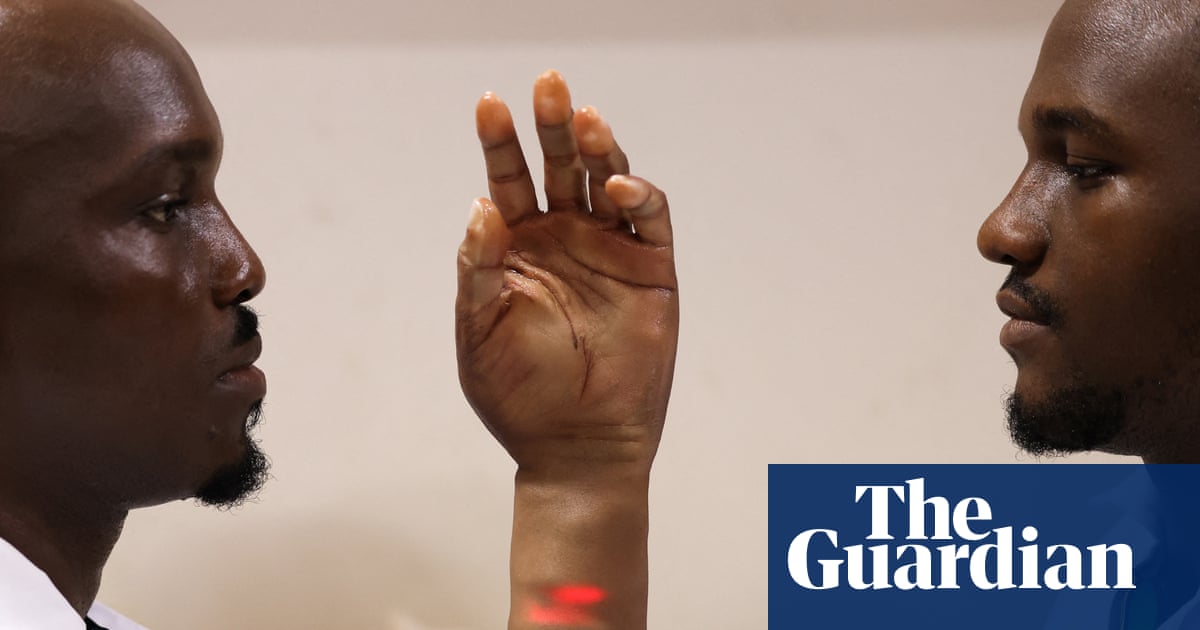
On a humid morning in Uyo, Nigeria, Ubokobong Amanam shows off the lifelike prosthetic where his fingers once were. The skin bears tiny wrinkles, and the nails are naturally shaped. Seven years ago, he was badly injured in a firework accident. Doctors could save him, but not his fingers. The prosthetics available at the time were clumsy, poorly fitted and designed for bodies nothing like his. “At first, it was deeply disappointing to realise there were no hyper-realistic or even realistic African-style prosthetics,” he says. “That discovery made me feel worse and intensified my depression.” But his brother, John Amanam, was a special effects artist, making replicas of human bodies for film and theatre. Together they began work on a better hand for Ubokobong, designing a prosthetic that did not yet exist, one made for Africans by Africans. There was, they knew, a staggering level of need: millions of Africans cannot access prosthetics due to high costs and a lack of availability. And even when prosthetics are available, they are often imported and designed for …


