All posts tagged: WorkingClass

What working-class boys need to succeed at school: respect and open conversations

What working-class boys need to succeed at school: respect and open conversations

Across the UK, working‑class boys are navigating an unprecedented convergence of pressures. There are entrenched gaps between working-class boys and their peers in their levels of attainment at every stage of education. Often, however, the solutions for addressing this gap in attainment have roots in assumptions and stereotypes. These tend towards positioning working-class boys as somehow suffering from an innate deficiency: apathy, laziness or a lack of ambition for their future careers and employment. The evidence does not back these stereotypes up. Our research has focused on understanding the experiences of these boys. In 2023, we carried out research that used creative activities to explore what being a young man meant for them. We found that some of the young men felt the need to create protective identities linked to aggression, emotional suppression and educational disinterest at school to avoid harm. For them, being a boy who expressed themselves was a risky enterprise. One boy said: I feel like you know the bullying and torment would definitely go up quite a bit for, I guess, …

How working-class white Southerners can help defeat MAGA

How working-class white Southerners can help defeat MAGA

There’s a big misconception that poor white people are Donald Trump’s base. There’s so many images of “hillbillies,” “rednecks,” “white trash” and “trailer trash” used in the media to portray racism in this country, to make the case that poor white people in the South hold all of the racism in the entire nation. Many liberals like to say we are too ignorant and stupid to vote for candidates and issues that relieve our suffering. But during our work in rural North Georgia in the 2020 elections, we saw gains for the Democratic ticket in the poor white communities where Showing Up for Racial Justice, the antiracist organization I work for, called and knocked for the general and runoff elections, because we talked to them. We engaged people who are often ignored, abandoned and scapegoated around issues that matter to them, and they cast a vote against MAGA and for all working-class people. We had doors slammed in our faces, people who were tired of election talk, but we also had conversations with people who …

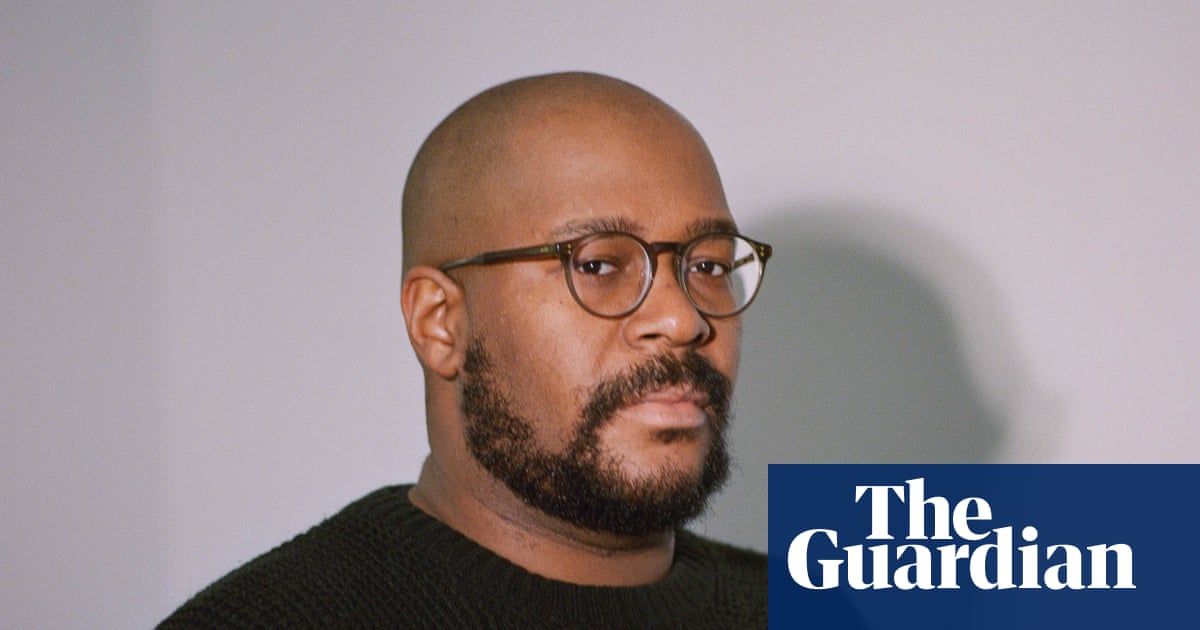
Minor Black Figures by Brandon Taylor review – portrait of a working-class artist in New York | Fiction

Minor Black Figures by Brandon Taylor review – portrait of a working-class artist in New York | Fiction

Brandon Taylor’s third novel, following the Booker-shortlisted Real Life and 2023’s The Late Americans, is full of hands. It’s set in the years after a pandemic that made many people desperate “to touch and be touched”. Long before then, no one had ever held the hand of its chief character, a young painter called Wyeth – not even his mother. In the doldrums, he recalls a conversation with a printmaker who extolled lithography because the images it produces reveal the strength and dexterity of an artist’s fingers: human marks. Poring through a company’s digital files, he has a near-seizure when he comes across a handwritten ledger: “There was something almost romantic about the curves of the numbers, elegant and swooping.” Wyeth was born in Virginia, a state where, within living memory, Black farmhands developed cancer because they weren’t given gloves to pick the tobacco that would later poison their blood. He grew up in a trailer park with his white mother, a nursing assistant. To be working class, fatherless and from the south: this was, for …

Lloyd Blankfein “Survived” Harvard as a Working-Class Kid From Brooklyn. Then, He Became CEO of Goldman Sachs.

Lloyd Blankfein “Survived” Harvard as a Working-Class Kid From Brooklyn. Then, He Became CEO of Goldman Sachs.

I came home from school one day to find an envelope with the Harvard crest on the living room table. “You got another college letter,” my dad said. I dropped my backpack, ran into another room to be alone, and ripped open the envelope, my heart thumping. I’d applied to Harvard almost as a joke, in a moment of either bravado or sheer fantasy. I scanned it quickly, picking out the key words and phrases: pleased to inform you, accepted, and congratulations. I read the letter again more carefully, then a third time, just to be sure I hadn’t misunderstood. No, it was there in black and white. Harvard wanted me. I was not ambivalent. To say this was one of the happiest moments in my life doesn’t begin to do it justice. I thought about my dad’s monotonous nights in the post office, my mom’s fatigue when she kicked her shoes off at the end of the day, my sister’s struggle to start her life over with a toddler, and our whole cramped, confined …