


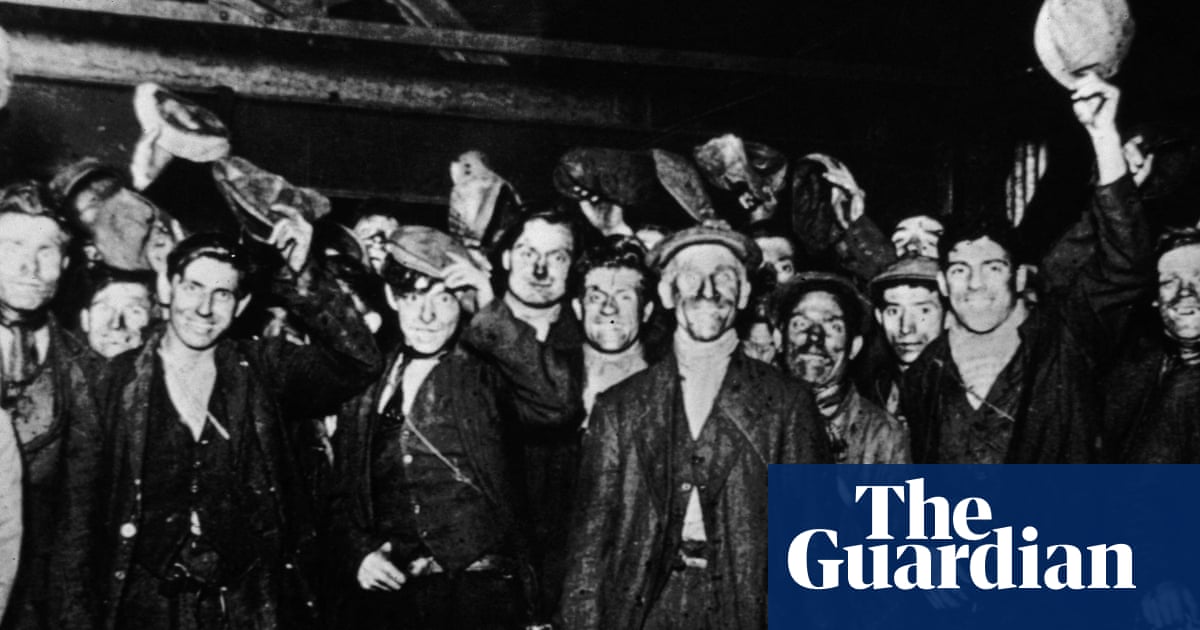
May 1926 is remembered in Britain for the general strike, when the TUC called out millions of workers in support of miners who had been locked out while fighting a pay cut.
The strike, which lasted from 3 May to 12 May, took place during a spell of relatively mild weather with little rain. Transport was disrupted but fine conditions allowed many people to walk or cycle to work. There was a shortage of coal but this was mitigated because there was less need for heating. The TUC, fearing legal action and doubting the strike could be sustained, called it off after nine days.
After that, conditions turned cold, with widespread snow in the middle of the month and heavy rain in the south. This was followed by a warm spell, but temperatures again plummeted at the end of the month. Overall, conditions were described as “unsettled”.
An earlier and sharper cold spell might have given the strike more impact, put pressure on the government and stiffened the TUC’s resolve. But it also would have affected attendance at demonstrations and picket lines, essential to the strikers’ morale, and people who could not afford fuel for heating or cooking would have suffered most. Sometimes, the British weather is on nobody’s side.