


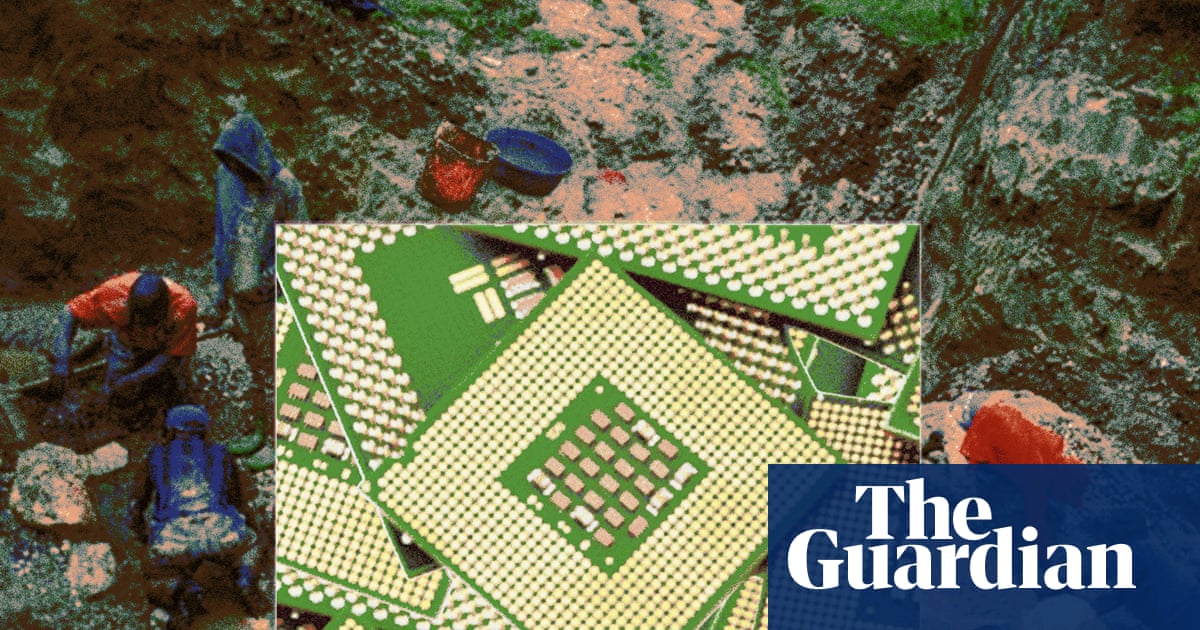
A disease of deforestation: how Ebola is linked to the smartphone in your pocket | Ebola
For decades after the discovery of Ebolavirus in 1976, outbreaks of the disease were relatively small and contained, affecting a few hundred people at most. Not any more. In recent years, outbreaks of Ebola have been much larger, affecting thousands and even tens of thousands of people across multiple countries. The 2014 outbreak of Ebola in west Africa infected more than 28,000 people in 10 countries on three continents. The current eruption, which began in early May and shows no signs of abating, has caused 363 confirmed cases in the Democratic Republic of the Congo and has crossed into Uganda. The conventional explanation has to do with the larger and more interconnected human populations that pathogens can access. But there’s a more fundamental driver: the transformation of the underlying ecology of Ebola, which is being remade, in part, by the rising global hunger for minerals to power the hi-tech economy. Most of the time, viruses such as Ebola live quietly in the bodies of their animal hosts, widely understood to be bats, causing them little …


