


The electric vehicle industry has spent the last decade chasing bigger batteries, longer ranges, and faster acceleration. A new company called Amble thinks that approach may have missed the point for a large number of everyday trips.
Today, Portugal-based startup Amble emerged from stealth mode to unveil its first vehicle, the Amble One. The company says that vehicles will begin production next year, with a street-legal version coming in 2028.
The electric buggy is designed for short-range transportation in places where a traditional car may be unnecessary, oversized, or simply out of place.
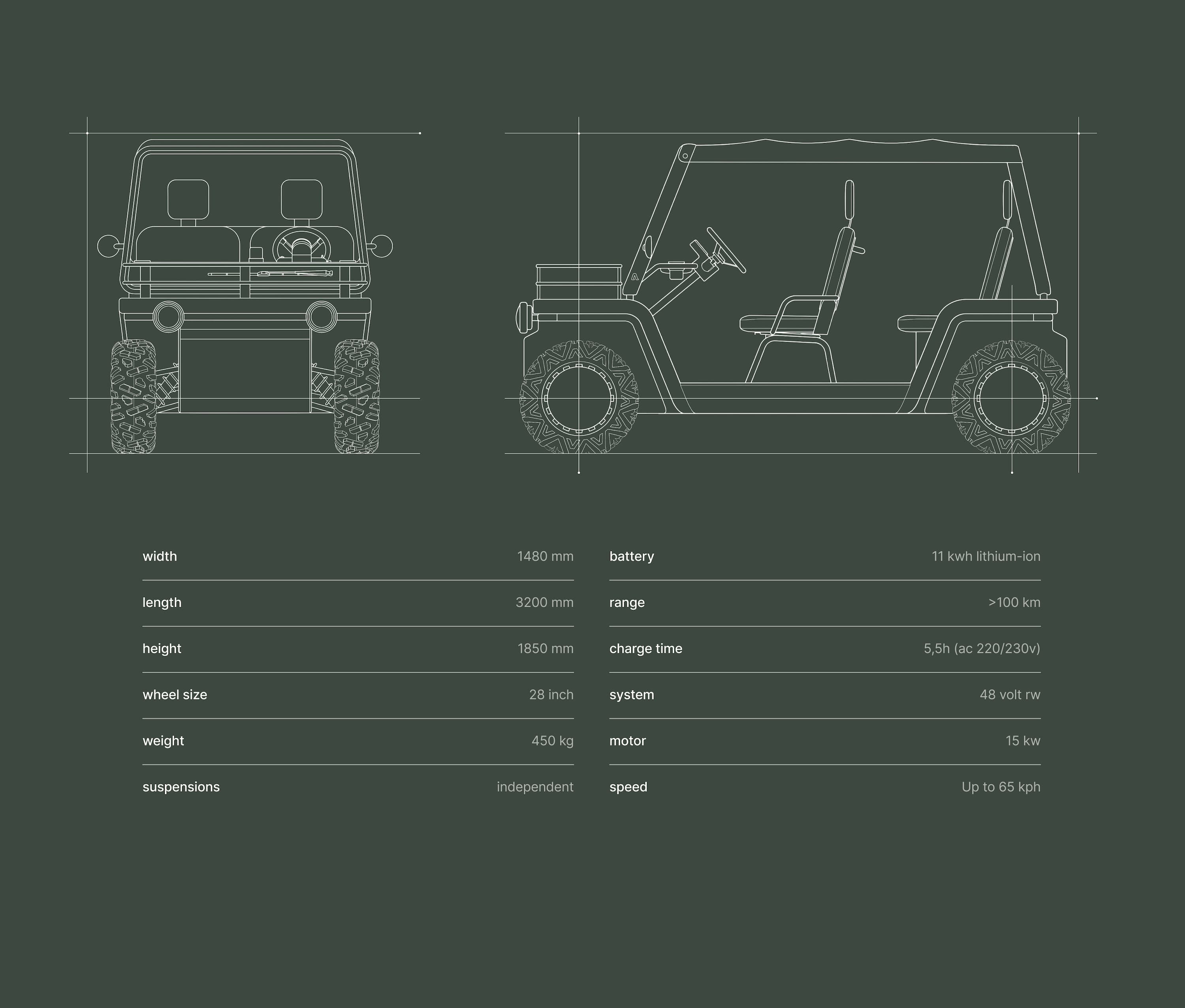
The Amble One can reach a top speed of 65 km/h (40 mph) thanks to its 15 kW motor, and carries an 11 kWh battery that helps provide an all-electric range of up to 100 km (62 miles).
While most small electric vehicles of this style are classified as Low-Speed Vehicles (LSVs) in the US for regulatory purposes, limiting them to 25 mph (40 km/h), the Amble One claims a top speed over 50% faster. It’s not immediately clear how the company has managed to achieve this without the LSV shortcut, though there are avenues for low-volume production vehicles to exceed LSV performance limitations in the US.
In Europe, such vehicles fit more neatly into broader regulatory frameworks for quadricycles, a class of vehicles that sits just under conventional cars yet are permitted to reach higher speeds than LSVs in the US.
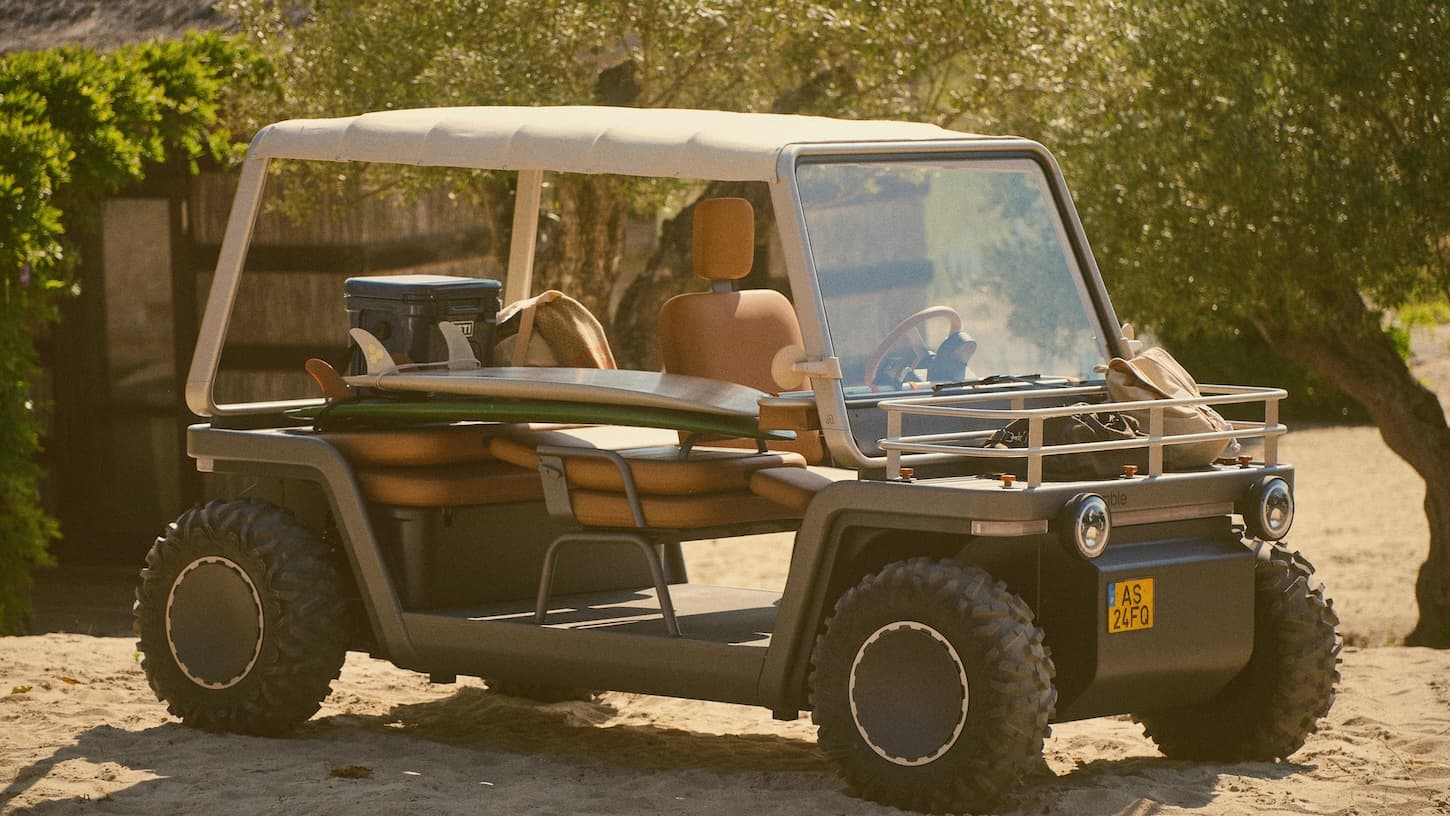
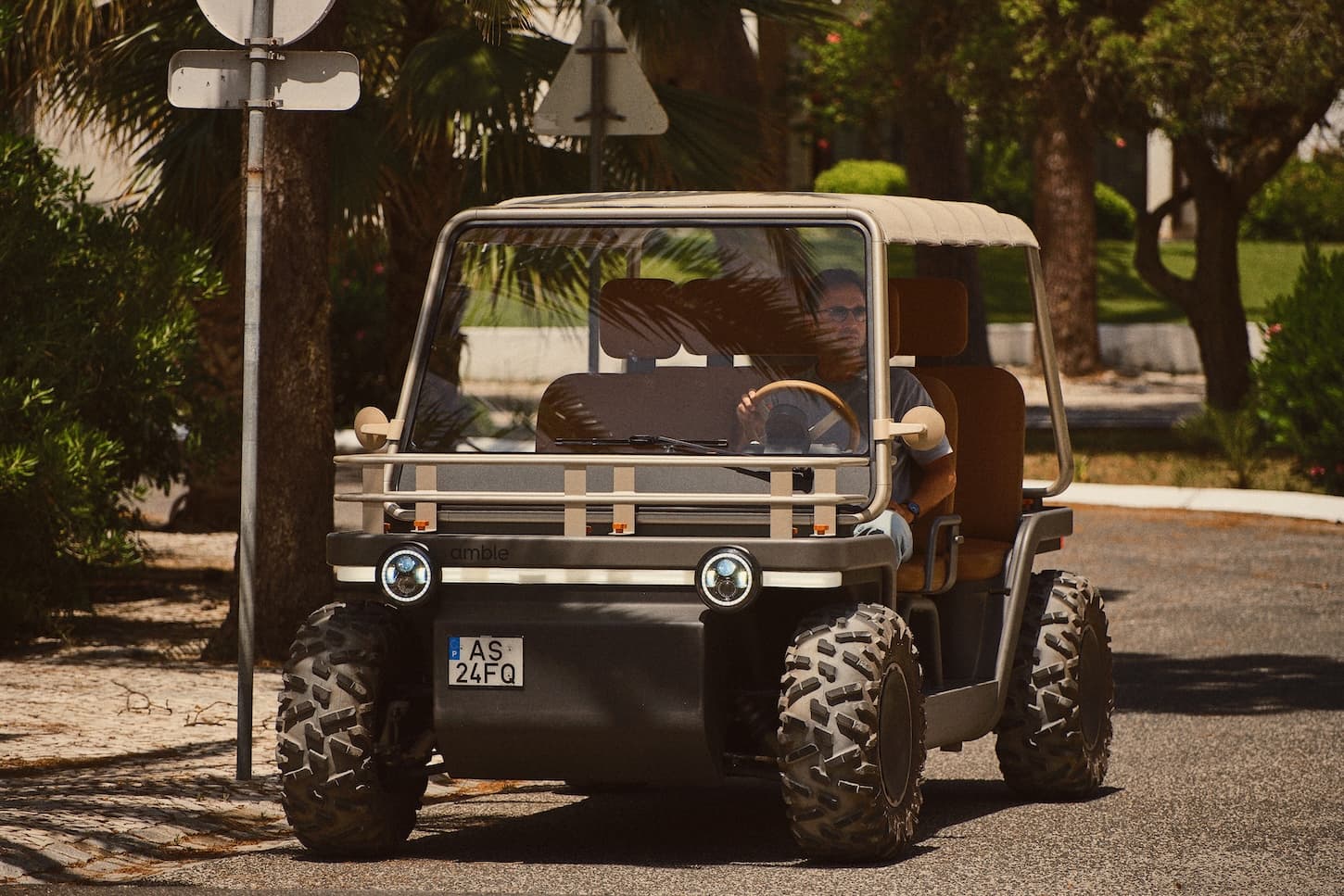
The company describes the vehicle as a new category of lightweight electric mobility focused on slow-speed travel through resorts, private communities, rural estates, coastal towns, and other destinations where the journey itself is part of the experience.
Starting at $25,000 before taxes and fees, the Amble One features an open-air design that intentionally strips away many of the elements that have become standard in modern automobiles. According to the company, the goal was to create a vehicle that connects occupants more directly with their surroundings rather than isolating them behind doors, screens, and layers of technology.
The startup arrives with an unusually design-heavy pedigree. Amble’s founding team includes Adrien Roose, co-founder of the European e-bike company Cowboy; industrial designer Julian Hoenig, whose career has included work at Audi and Apple; creative executive Michael Tropper; and hospitality entrepreneur José António Uva.
That hospitality background may be particularly important because the initial market for the Amble One appears to be high-end resorts and destination properties. The company says it has already seen interest from hospitality brands and destinations.
Initial production slots for 2027 are reportedly already allocated, with consumer deliveries expected to follow in 2028.
While the Amble One may look niche at first glance, it is entering a market that has quietly expanded over the last several years. Resorts, master-planned communities, campuses, and private developments are increasingly looking for alternatives to full-sized automobiles for local transportation.
Golf carts evolved into neighborhood electric vehicles, which have now begun evolving further into more capable, better-designed low-speed EVs.
We’ve seen a growing number of companies target this segment with electric buggies, LSVs (low-speed vehicles), and neighborhood EVs that prioritize simplicity and experience over highway capability. The appeal is fairly straightforward to anyone who lives in a golf cart-friendly area where many trips are often measured in minutes rather than miles. A vehicle optimized for 300-mile road trips is overkill when the average journey is a quick ride to a beach club, restaurant, guest cottage, or nearby village.
Amble says the One is only the first vehicle built on a broader mobility platform and that future models will target additional environments and use cases, including more urban settings.
Whether the company can successfully carve out a new category remains to be seen. But as cities and communities continue exploring alternatives to traditional car-centric transportation, the idea of smaller, lighter, purpose-built electric vehicles is gaining traction. And if Amble is right, the future of mobility may not always be about getting somewhere faster. Sometimes it may simply be about enjoying the ride!


FTC: We use income earning auto affiliate links. More.