All posts tagged: Leca

Scientists identify hundreds of ancient genes associated with human diseases

Scientists identify hundreds of ancient genes associated with human diseases

When a child develops kidney failure or a rare bone disorder, the cause can seem painfully immediate. It may be a single broken gene, a sudden diagnosis, or a family searching for answers. However, some of those faults may trace back nearly two billion years, to a one-celled ancestor shared by every plant, animal, and fungus alive today. A University of Texas at Austin-led team has now reconstructed the most detailed map yet of the protein networks inside that ancestor, known as the last eukaryotic common ancestor, or LECA. In doing so, the researchers built a new way to hunt for disease genes in humans. They used some of the oldest molecular machinery in complex life as a guide. Their study, published in Cell Genomics, suggests that the deep history of life is not just a story about origins. It can also help explain why modern bodies fail. Rachael Cox, a former UT doctoral student who led the data analysis in the lab of senior author Edward Marcotte, said the approach proved unexpectedly powerful. “There …
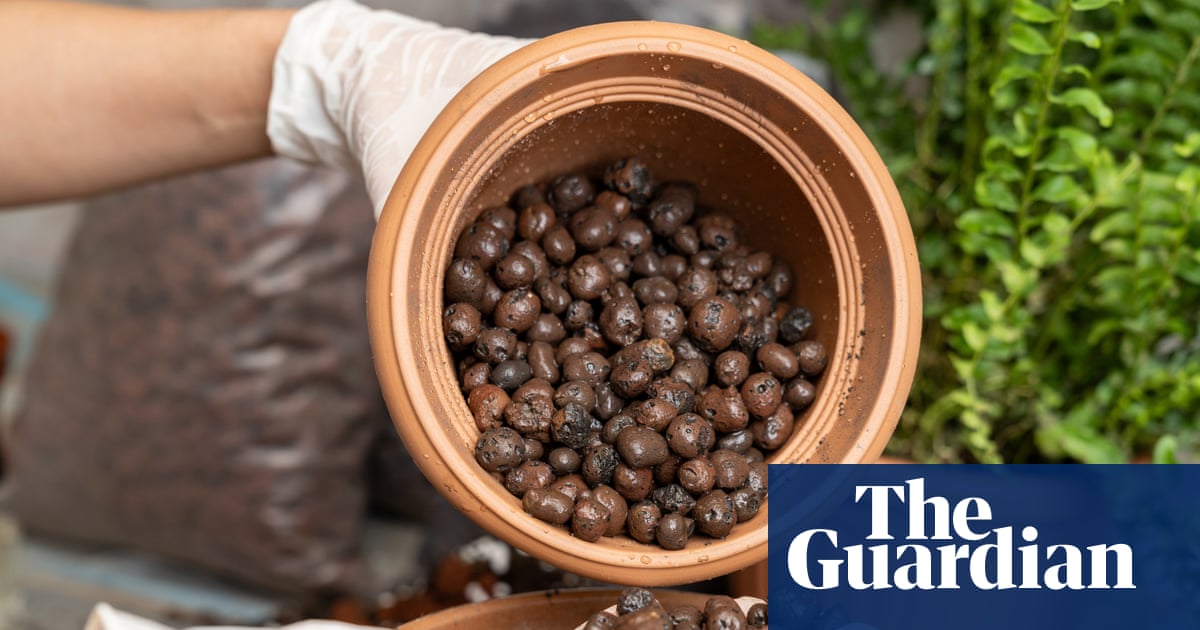
Houseplant hacks: will my plants be healthier if I use Leca balls instead of soil? | Houseplants

Houseplant hacks: will my plants be healthier if I use Leca balls instead of soil? | Houseplants

The problemEnter any deep plant nerd space such as the Reddit threads, and you’ll find Leca. Hardcore followers cite positives to growing plants in these clay balls, such as fewer pests and watering mistakes, and faster growth. Switching from soil to semi-hydro is tempting, but does it actually make life easier? The hackLeca stands for lightweight expanded clay aggregate. Unlike soil, it is inert and doesn’t feed the plant. Its job is to hold moisture and air around the roots, while you provide everything else via a diluted fertiliser solution. Water sits at the bottom of the pot, and the clay wicks it upwards, keeping the root zone evenly damp. The methodRinse new Leca thoroughly to remove dust, then soak it before use. I would use it with plants that enjoy consistent moisture, such as pothos, philodendron or peace lilies. Find a tall pot or vase without drainage holes, fill with Leca and top up with water and low-concentration feed. Add your plant with the roots above the waterline, not submerged. Flush through with water …